If you've just found an injured or orphaned robin, the most important thing you can do right now is contain it gently in a dark, quiet, ventilated box, keep it warm, and call a licensed wildlife rehabilitator. Do not feed it, do not give it water on your own, and do not try to nurse it back to health at home. That's the core of it. Everything below helps you do those steps well and avoid the common mistakes that can accidentally hurt the bird you're trying to help.
How to Take Care of a Robin Bird: First Aid Steps
Marcus Holloway
19 May 2026
First 10 minutes: safety, calm, and quick triage
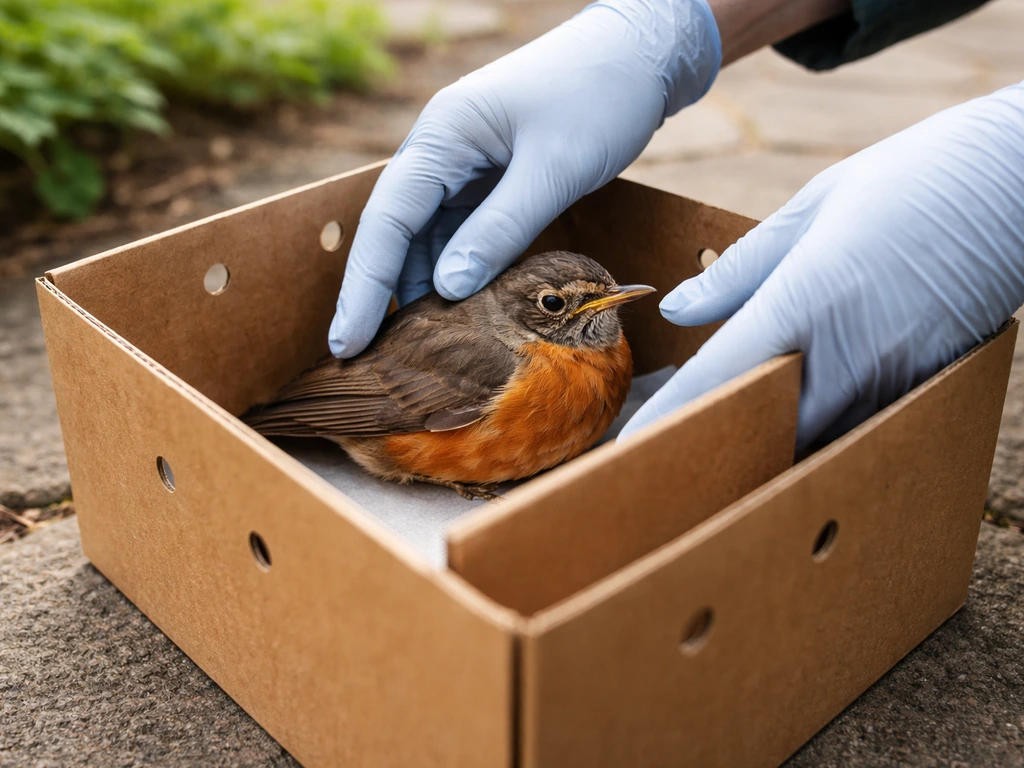
Your first job is to remove the bird from immediate danger, not to fix it. If there's a cat or dog nearby, get the bird away from them first. Predator saliva is toxic to birds and a seemingly uninjured robin that's been mouthed by a cat can die within hours without antibiotics from a vet.
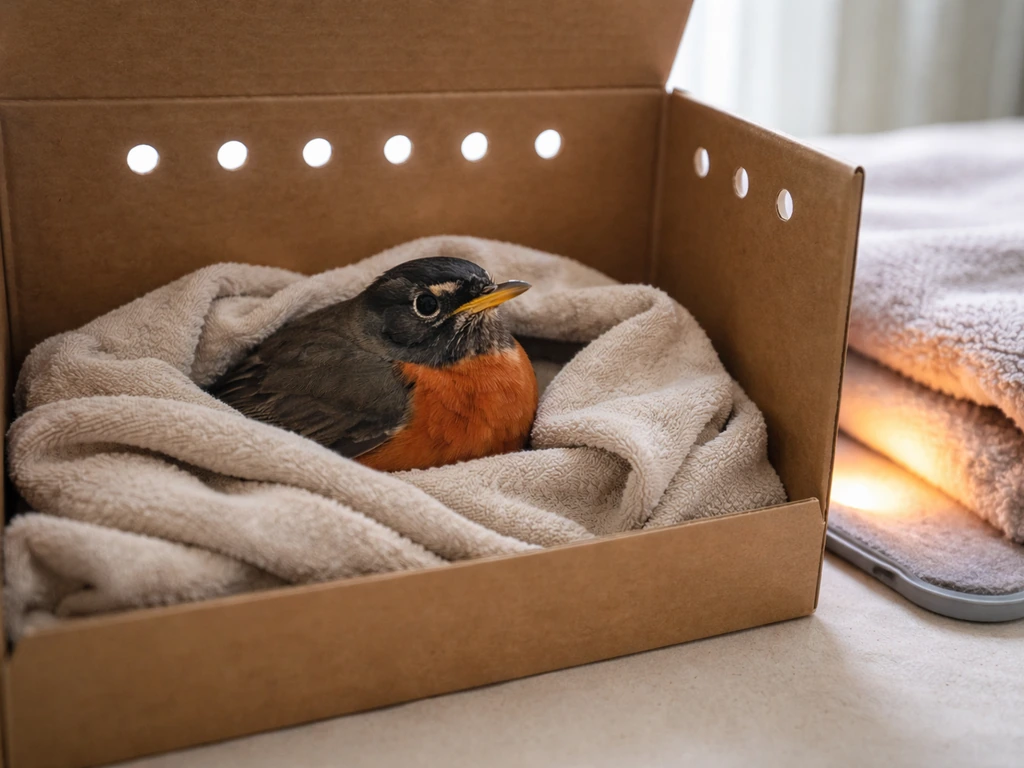
Grab a small cardboard box (a shoebox works well), punch a few air holes in the lid, and line the bottom with a paper towel or soft cloth. Drape a light towel over the bird, scoop it up gently from behind, and lower it into the box. Place the lid on. You want the interior to be dark, because darkness reduces panic and stress in birds significantly.
Keep the box somewhere warm and quiet indoors, away from kids, pets, and noise. Do not shake it, peek at it constantly, or handle the bird again unless you have to. Stress alone can kill a bird that's already compromised. The goal for the next few minutes is to stabilize the environment, not the bird directly.
While the bird is resting in the box, start looking up a licensed wildlife rehabilitator in your area. The National Wildlife Rehabilitators Association and your state's wildlife agency both maintain finder tools. This call is your next priority, not a later task.
How to tell if a robin is injured, sick, or just a normal fledgling
Before you do anything else, it helps to figure out what you're actually dealing with. Not every robin on the ground needs rescuing, and picking up a healthy fledgling can do more harm than good.
Nestling vs. fledgling: the single most important distinction
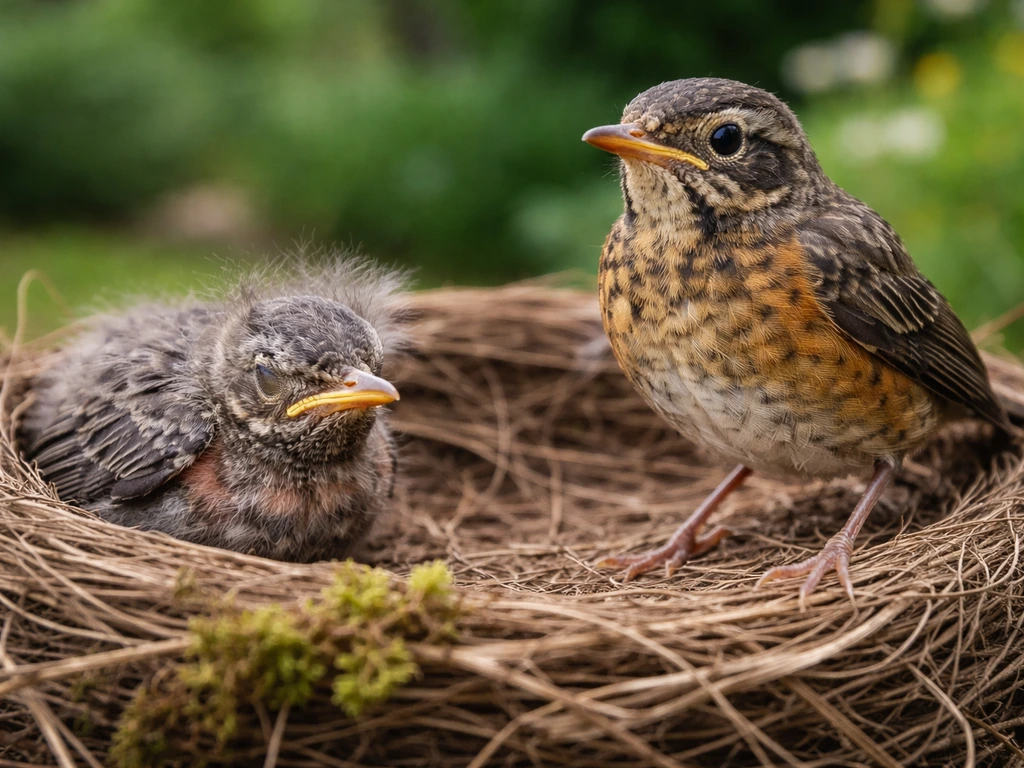
A nestling is a young bird that still belongs in the nest. It has few or no feathers, may have closed or partially open eyes, and cannot stand or hop properly. If you find one of these on the ground and can locate the nest safely, you can place it back. The myth that parents will reject a bird you've touched is false. Robins leave the nest around 14 to 16 days after hatching, so a very tiny, mostly bare chick on the ground is almost certainly a nestling that fell or was knocked out.
A fledgling is a different story. It has most of its feathers, can hop, and may look a little scruffy or awkward but is completely normal. Fledglings spend several days on the ground while their parents continue feeding them for two to three more weeks after they leave the nest. If a robin fledgling can hop away from you and looks uninjured, leave it alone. Moving it is unnecessary and stressful for the bird.
Signs a robin actually needs help
- It's cold to the touch, not moving, or unresponsive
- There's visible blood, a drooping wing, or obvious swelling
- It's been in contact with a cat or dog (even briefly)
- It's a nestling on the ground and the nest is gone or unreachable
- It's an adult bird that can't fly and won't move away from you
- It hit a window and is disoriented, unable to stand, or lying on its side
- It's a fledgling that has been on the ground more than a day with no parent activity nearby
A healthy baby robin should be warm, alert, and active. Cold, motionless, or bloody birds need help right away. If you're genuinely unsure, you can send a photo or short video to a local rehabilitator when you call. They can often help you triage remotely.
Setting up a temporary rescue space
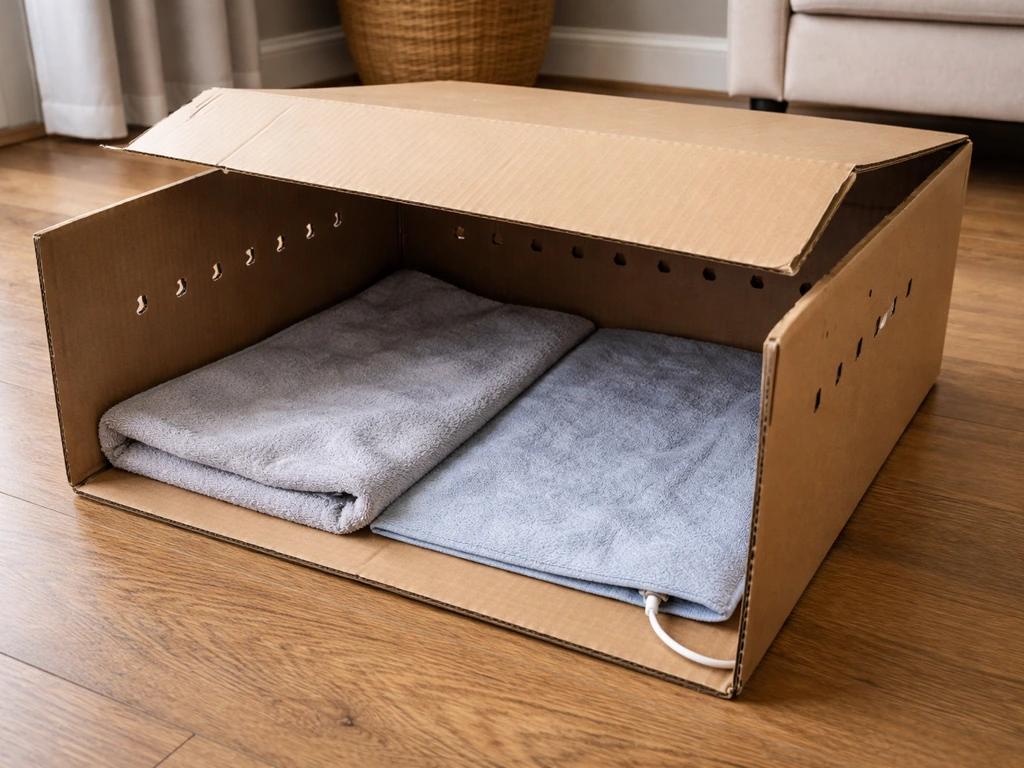
The setup doesn't need to be fancy. A cardboard box or a plastic pet carrier works well. What matters is that it's ventilated, dark, escape-proof, and appropriately warm.
For warmth, place a heating pad set to low under one half of the box only, so the bird can move away from the heat if it gets too warm. Alternatively, fill a small bottle with warm (not hot) water, wrap it in a thin cloth, and tuck it to one side of the box. Never put the bird directly on a heat source. Overheating is a real risk, especially in summer.
Line the bottom of the box with a paper towel or soft cloth. Avoid anything with loose fibers that can tangle around feet or legs. Don't add perches, mirrors, or toys. The goal is minimal stimulation. Place the box somewhere like a bathroom or laundry room where it stays quiet and the temperature is stable. Cover the outside of the box with a light cloth if more darkness is needed.
Keep the bird isolated from other pets entirely. Even the presence of a cat outside the room can cause a bird to panic inside an enclosed box. Stress is a killer for injured birds, so treat quiet like medicine.
Humane first aid basics for common injuries
This section is important to read carefully, because the instinct to actively help can cause more harm than doing less. For most injuries, the right first aid for a robin in your care is warmth, darkness, quiet, and getting it to a professional as fast as possible. That said, here's what you should know for specific situations.
Window strikes and head trauma
Window-strike robins often look stunned or disoriented but may not have visible injuries. Place the bird in a dark, ventilated box for 30 to 60 minutes. If it recovers and is flying normally, you can release it in a safe area. If it's still not flying, not standing properly, or continuing to tilt sideways after an hour, it needs professional evaluation. Head trauma can cause internal bleeding that isn't visible.
Cat and dog attacks
This is a vet-or-rehabilitator situation immediately, no exceptions. Even a brief contact with a cat's beak or claws introduces bacteria that require antibiotics. Contain the bird in a box and make the call now. Do not wait to see if it recovers on its own.
Bleeding
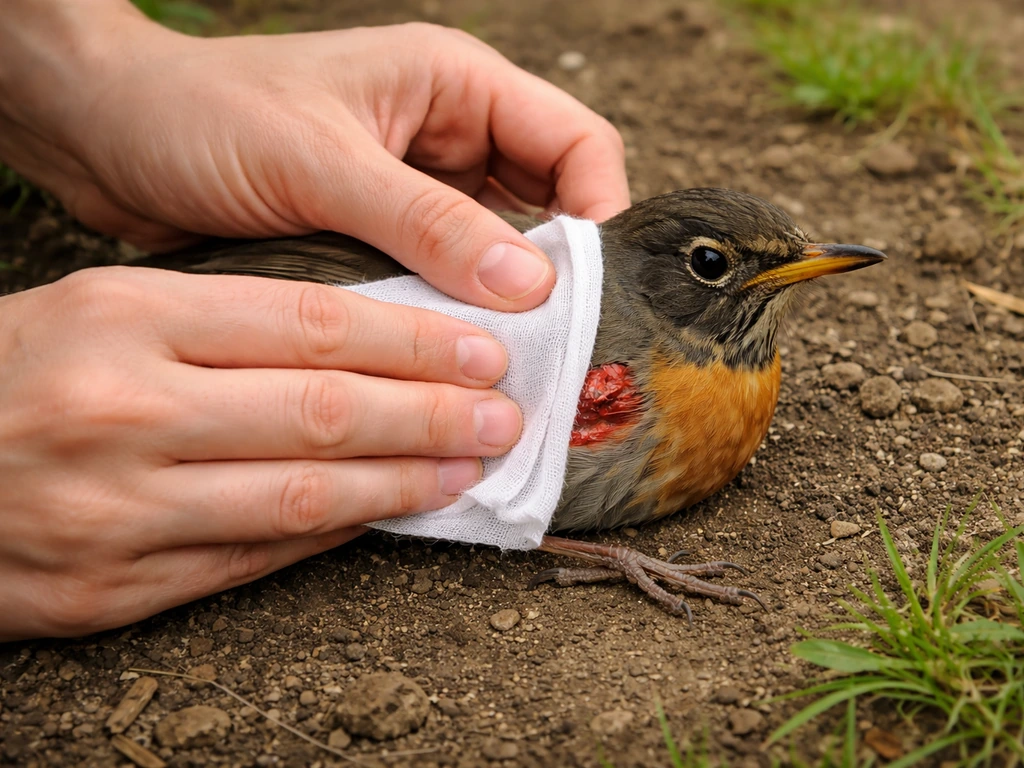
If you see active bleeding, you can gently apply light pressure with a clean cloth for a minute or two, but do not probe wounds, apply antiseptic sprays, or try to clean the injury. Get the bird to a rehabilitator or avian vet as quickly as possible. Wrapping the bird too tightly can restrict breathing, so use minimal restraint.
Suspected broken bones or shock
Do not try to splint a broken wing yourself. Improper splinting causes more damage. A bird in shock will be limp, cold, and unresponsive. The immediate priority for shock is warmth and quiet. Place the bird on the warm side of the box, minimize handling to zero, and get moving toward professional help. Gentle warmth, not stimulation, is what a bird in shock needs most.
Feeding and hydration: what to do (and what not to do)
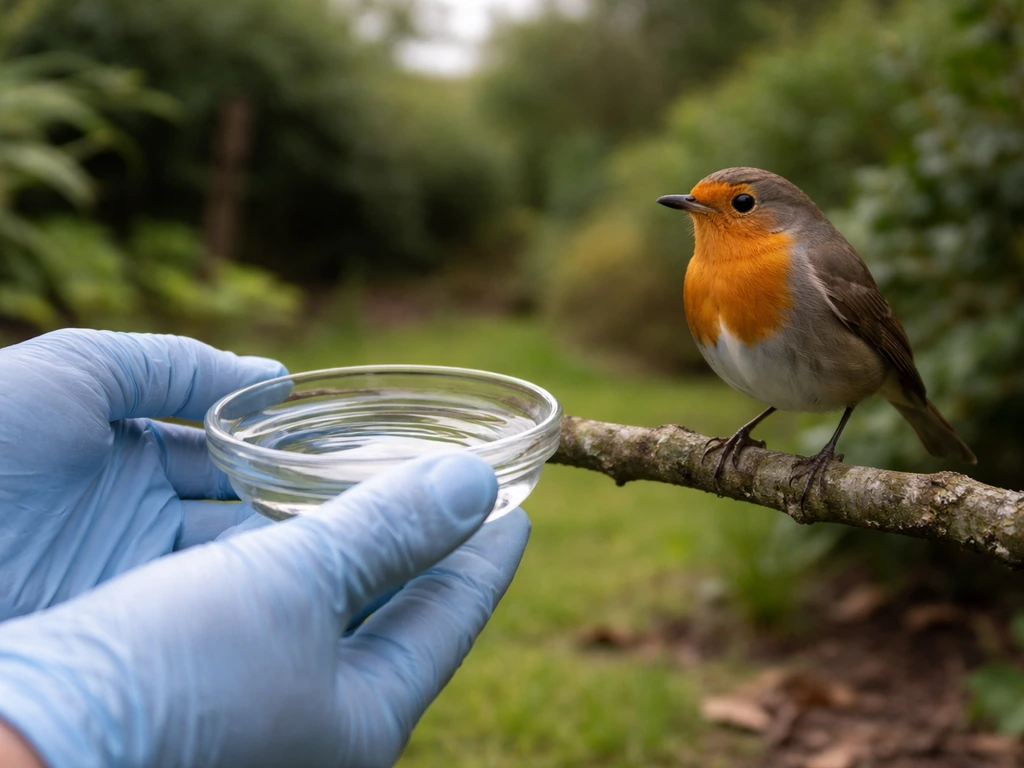
The single most consistent piece of guidance from every wildlife organization is this: do not feed or give water to an injured or sick bird unless a licensed rehabilitator specifically tells you to. This is not overcautious advice. It's based on real risk.
A bird that is cold, stressed, or injured cannot properly swallow or digest. Giving food or water to a bird in that state can cause aspiration (liquid going into the lungs), which is fatal. Birds can also drown very easily if water is placed incorrectly or they tip into a dish. Feeding the wrong thing, even something that seems natural like earthworms or bread, can cause nutritional harm or digestive problems in a compromised bird.
If a rehabilitator advises you to offer anything, they'll give you specific instructions. Until you reach one, the safest answer is nothing by mouth. You may be able to place a shallow water dish in the box so the bird can drink if it wants to, but do not hold the bird's beak to water or try to drip anything into its mouth.
Things you should never feed a robin
- Bread, crackers, or any processed human food
- Milk (birds are lactose intolerant)
- Earthworms from a yard treated with pesticides or herbicides
- Cat or dog food without explicit rehabilitator guidance
- Fruit juice or sugary drinks
- Any food offered by dropping it into the beak of a sick or cold bird
When you do reach a rehabilitator, they'll give you species-specific guidance if the bird needs to be held temporarily. Robins are insectivores that also eat berries and fruit, but what's appropriate for a healthy wild adult is not the same as what a sick or injured bird in temporary care needs.
When and how to get professional help
In the United States, it is illegal to keep most wild birds, including robins, without a federal permit. American robins are protected under the Migratory Bird Treaty Act. This means that taking a robin home to care for it yourself, beyond short-term emergency stabilization, is a legal violation, not just a practical problem. Wildlife rehabilitators hold the permits required to legally care for these birds, and they have the training to actually help.
Call a licensed wildlife rehabilitator as your first action, not a last resort. If you’re trying to figure out how to take care of a bird at home, this step is where you should start Call a licensed wildlife rehabilitator as your first action. If you can't find one immediately, your state wildlife agency, local humane society, or animal control can usually connect you to one. When you call, describe what you're seeing: the bird's size and approximate age, the injury or situation, how long it's been there, and whether it's been in contact with a cat or dog.
How to transport a robin safely
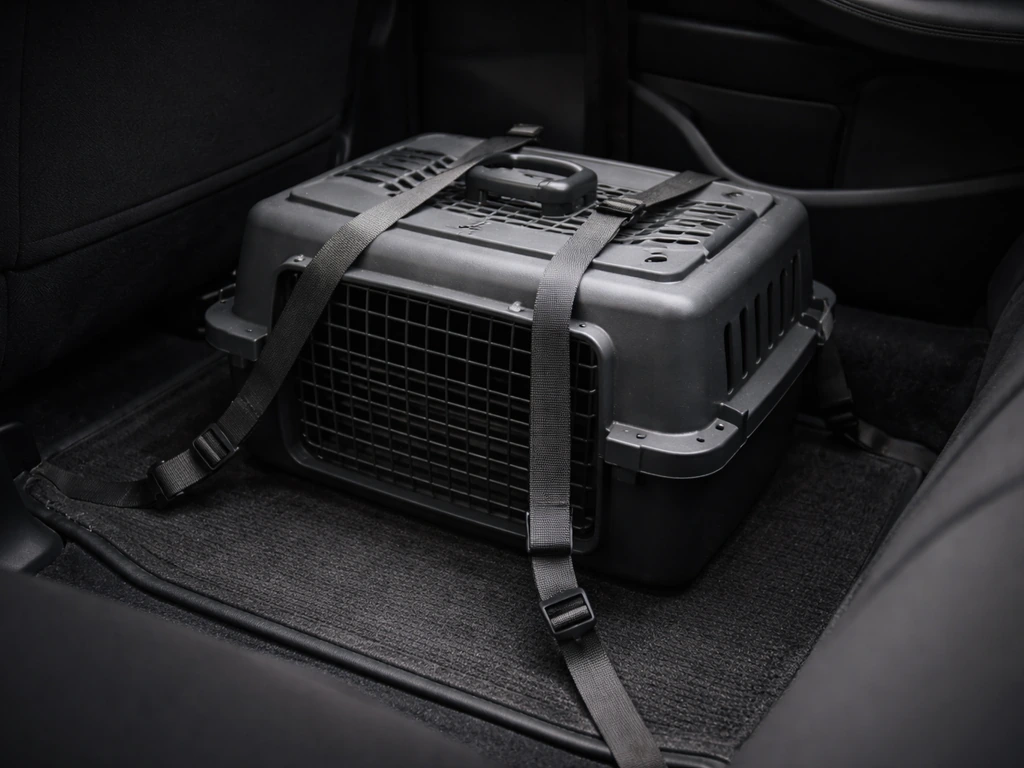
Keep the bird in the same dark, ventilated box you used for containment. Don't open it during transport to check on the bird. Place the box on the floor of your car rather than a seat, so it won't slide. Keep the car quiet and avoid music, loud conversation, or rapid acceleration. Minimize the trip time as much as you can, and call ahead so the facility knows you're coming.
If the bird is very cold or clearly in shock, you can maintain the heat source (a warm water bottle wrapped in cloth) during transport. Just confirm the bird still has room to move away from it.
Aftercare and next steps toward recovery or release
Once the bird is in professional care, your role shifts to supporting that process. If a rehabilitator has authorized you to keep the bird temporarily for any reason, follow their instructions exactly, including timing, feeding details, and enclosure setup. Don't improvise.
While the bird is in your temporary care waiting for transfer, minimize all contact. Don't hold it, don't let children or other pets interact with it, and don't keep checking on it. Each time you open the box, you reset the stress clock. A robin that is repeatedly disturbed cannot rest and recover, even briefly.
Watch for these signs that the bird's condition is deteriorating and needs faster attention: labored or open-mouth breathing, complete unresponsiveness to sound or touch, a bird that was alert becoming limp, or any new bleeding. These mean you need to move toward a vet or rehabilitation center faster, not wait.
For nestlings specifically: if the nest is intact and accessible and the chick is warm and uninjured, returning it is genuinely the best outcome. Nest-raised young have much better survival odds than hand-raised birds. If the nest is destroyed or the chick is injured, a wildlife rehabilitator can provide the specialized care these birds require.
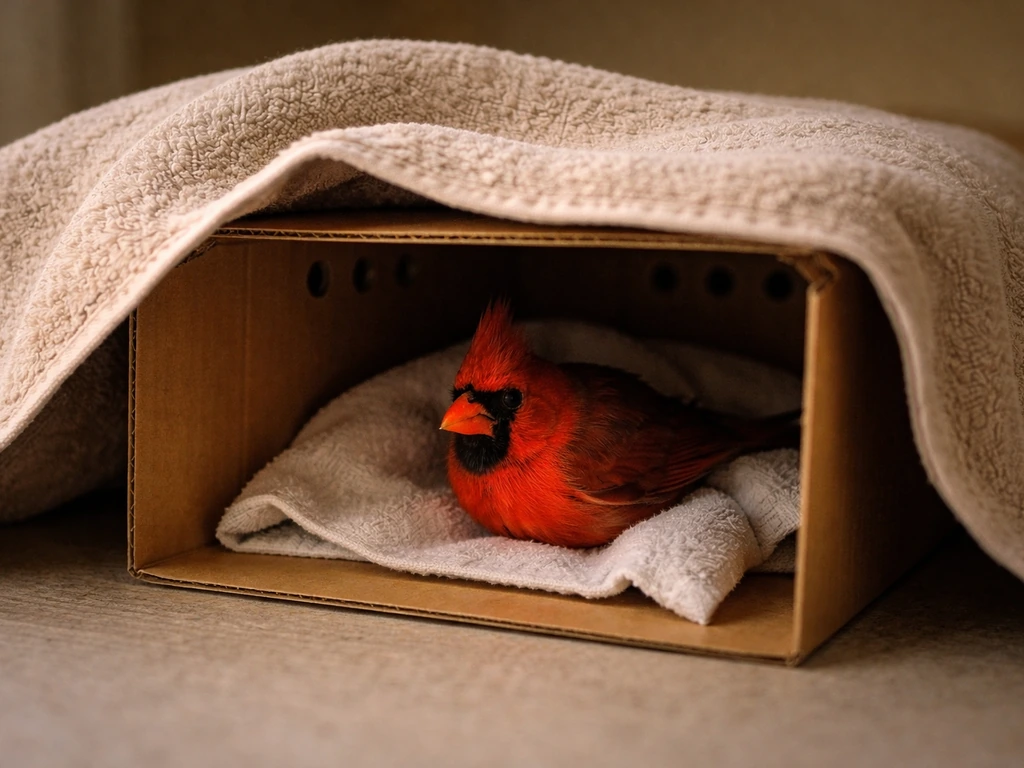
The goal for any wild robin is always release. Keep that as your north star. Minimizing human contact from the start means the bird stays wild, stays behaviorally intact, and has a real chance at a normal life. You're not trying to tame it or bond with it. You're buying it time to get proper help. Cardinals need similar basic triage like warmth, darkness, quiet, and quick contact with a licensed rehabilitator, but details can differ by situation care of a cardinal bird.
If you're also dealing with other species or want more general guidance, the approach to caring for injured songbirds has a lot of overlap regardless of species. The same containment, warmth, and no-feeding-until-advised principles apply whether you're dealing with a robin, a cardinal, or a stray bird you can't immediately identify.
| Situation | What to do | What NOT to do |
|---|---|---|
| Fledgling on the ground, looks healthy | Observe from a distance; leave it alone if parents are nearby | Pick it up or move it unless it's in immediate danger |
| Nestling out of nest | Return to nest if nest is intact and accessible; call a rehabber if not | Feed it or keep it as a pet |
| Window strike, stunned | Place in dark box for up to 1 hour; release if recovered | Force-feed water or leave it outside unsupervised |
| Cat or dog attack | Contain immediately, call a rehabilitator or vet now | Wait to see if it recovers on its own |
| Visible bleeding or broken wing | Gentle containment, warmth, transport to professional ASAP | Splint the wing yourself or apply antiseptic |
| Cold, limp, unresponsive | Warmth from one side of box only; call rehabber immediately | Use direct heat, give food or water, handle excessively |
FAQ
How can I tell if a robin is a nestling, fledgling, or an injured adult quickly?
Use motion and feathering. Nestlings are mostly bare or very sparse-feathered and cannot stand or hop well. Fledglings have most feathers and can hop, even if they look awkward. If it cannot right itself, is bleeding, breathing with an open mouth, or stays motionless despite being warm, treat it as injured or sick and proceed with containment and a call.
What should I do if I find a robin on the ground but there is no visible injury or blood?
First confirm whether it can hop away and looks alert once you approach. If it is able to move normally and has normal posture, leave it alone. If it looks unusually still, is disoriented, or cannot stand, follow the same containment approach (dark, ventilated box, warmth, minimal handling) and contact a rehabilitator.
Should I try to give a robin water if it looks dehydrated?
No, not on your own. Even if the bird seems thirsty, giving water can cause aspiration if the bird cannot swallow safely. Until a licensed rehabilitator tells you otherwise, the safest plan is nothing by mouth and focus on warmth, darkness, and rapid professional intake.
Is it okay to open the box to check on the robin repeatedly?
Try not to. Each time the lid is opened, you increase stress and can delay recovery. Check only as needed to confirm the bird is staying warm and contained, then close the box and move toward your call or transport plan.
What temperature is safest for warming an injured robin in the box?
Aim for warmth that helps the bird regain normal activity, without giving it a way to overheat. Use low heat on only one half of the box so it can move away. If the bird feels hot to the touch or is panting with an open beak, remove the heat source immediately and call the rehabilitator.
Can I place the robin outside for “fresh air” after it seems calmer?
Not until a rehabilitator has cleared the situation. A bird that looks calmer may still have internal injuries, concussion, or shock. For window strikes in particular, the article’s 30 to 60 minute recovery window applies only as an initial check, and persistent balance or stance problems mean professional evaluation.
What if the robin was attacked by a cat, but it seems to be walking normally?
Still treat it as urgent. Cat saliva introduces bacteria that can worsen quickly, and visible wounds do not tell the full story. Contain the bird in a dark, ventilated box and contact a wildlife rehabilitator immediately rather than waiting for symptoms.
How should I handle a bird that is bleeding but I do not have access to a rehabilitator right away?
Apply gentle pressure with a clean cloth for a minute or two if bleeding is active, then stop probing or cleaning. Keep the bird warm and minimally handled to reduce shock, and continue working to reach a rehabilitator or avian vet as the priority.
Should I put a robin with a nestling back in the nest even if the nest is messy or the chick seems dirty?
If the nest is accessible, intact enough for the chick to be returned, and the chick is warm and uninjured, returning it is often the best outcome. Avoid prolonged handling, return it carefully, and then step back. If the nest is destroyed or the chick is injured, do not attempt to “stabilize” at home, contact a rehabilitator.
Is it legal for me to keep an injured robin overnight until help arrives?
In many places, keeping most wild birds can require permits, and robins are federally protected in the U.S. The safest approach is short-term emergency stabilization while you arrange professional care, not extended at-home possession. A local wildlife agency or rehabilitator can tell you what is allowed in your situation, but assume you should not plan for long-term keeping.
What should I tell the rehabilitator when I call?
Provide the bird’s approximate age (nestling, fledgling, or adult-like), where you found it (yard, road, window strike), what you observed (cold, disoriented, unable to stand, bleeding), how long it has been there, and whether it had cat or dog contact. If possible, describe breathing behavior and whether it is responding normally to sound or movement.
Can I use a plastic carrier instead of a box, and do I need to add ventilation?
Yes, a plastic pet carrier can work if it is escape-proof and provides ventilation. Darken the carrier with a light cloth if needed, but do not block airflow. The key is minimal stimulation, stable warmth, and keeping the bird from moving into dangerous positions.
Citations
Guidance states: “Never feed wildlife” (improper food can be especially dangerous for young animals) and also advises not to capture/transport a wild animal without professional guidance; it notes it’s illegal to take an animal home to care for it or keep it as a pet.
https://www.fws.gov/refuge/parker-river/sick-or-injured-wildlife
“Observe First, Act Second”: if a bird is injured, contact a licensed wildlife rehabilitator for next steps, and the page advises against forcing feeding/handling; it also notes you can place shallow water in the box but do not force feed the bird.
https://www.massaudubon.org/nature-wildlife/birds/helping-injured-birds
Best Friends advises against attempting to rehabilitate wildlife yourself; it also emphasizes that it’s very easy for birds to drown and therefore you should not give food or water unless a rehabilitator specifically instructs you to do so.
https://bestfriends.org/pet-care-resources/find-baby-bird-how-help
Recommended immediate containment concept: place the bird in an enclosed box/covered container to keep it safe from cats/predators nearby while contacting a rehabilitator.
https://www.massaudubon.org/nature-wildlife/birds/helping-injured-birds
Audubon notes young robins leave the nest about 14–16 days after hatching (useful for distinguishing nestling vs fledgling stage timing).
https://www.audubon.org/field-guide/bird/american-robin
All About Birds instructs the first step is to figure out whether the baby bird is a nestling vs. a fledgling, because fledglings have left the nest and are typically still under parental care.
https://www.allaboutbirds.org/news/i-found-a-baby-bird-what-do-i-do
The page provides a general rule used by many rehabbers: a “nestling is any stage where the eyes are open and they are not [yet fully independent],” while identifying stage helps decide whether the bird needs help vs. likely parent care.
https://www.wcnga.org/found-baby-bird
Boston’s guidance says a healthy baby bird should be warm, alert, and active; if a baby bird is cold, not moving, or bloody, it needs help.
https://www.boston.gov/cv/departments/animal-care-and-control/finding-baby-birds
Audubon says not to offer food or water, and that if you’re unable to contact a wildlife rehabber, you can contact local animal services; it also notes to place the bird somewhere warm/quiet and then call a rehabber if it won’t fly away.
https://www.audubon.org/debs-park/about-us/what-do-if-you-find-injured-orphaned-bird
Maryland DNR states: a baby bird that is “completely covered with feathers and can hop away from you does not need your help.”
https://dnr.maryland.gov/wildlife/Pages/habitat/warobin.aspx
NC Wildlife states it is illegal in North Carolina to keep most wildlife without a permit, and it instructs people to find a licensed wildlife rehabilitator for injured/orphaned wildlife.
https://www.ncwildlife.gov/connect/have-wildlife-problem/injured-and-orphaned-wildlife
Mass Audubon notes American robin young are aggressive towards humans during the nestling period (about two weeks in common backyard nesters), which can be used as a contextual sign that handling attempts can stress/injure nestlings.
https://www.massaudubon.org/learn/nature-wildlife/birds/american-robins
Audubon NC advises: if you find a baby bird attacked by a cat, contain it safely in a quiet/dark space (shoebox lined with cloth) and do not attempt to feed/water/treat it—contact a licensed wildlife rehabilitator immediately.
https://nc.audubon.org/birds-0/answers-common-questions-about-birds
Wildlife Center of Virginia advises “Do not give the baby food or water!” and recommends returning it to the nest only if you confirm it’s warm to the touch and appears appropriately cared for.
https://wildlifecenter.org/help-advice/healthy-young-wildlife/if-you-find-baby-bird
Tufts recommends for found sick/injured songbirds: keep the bird in a warm, dark, quiet place and do not give it food or water; it also advises using a container plus light cloth cover to reduce stress.
https://vet.tufts.edu/tufts-wildlife-clinic/found-wildlife/what-do-if-you-found-sick-or-injured-songbirds
WINC says to place the animal in a well ventilated cardboard box or plastic pet carrier, keep it dark/quiet/calm/warm, and it warns that feeding can jeopardize survival if the bird is cold/stressed/injured.
https://www.helpingwildlife.org/rehabilitate/transporting-an-animal/
Cascades Raptor Center describes safely using a towel/blanket to contain and transport (tossing towel over the bird, then moving gently) to reduce handling stress/injury.
https://cascadesraptorcenter.org/es/transporting-injured-wildlife/
The Raptor Trust states that one safe containment/transport method for most injured birds is a cardboard box large enough that the bird is not tightly confined.
https://www.theraptortrust.org/faqs/capturing-handling-and-transporting-injured-birds
Mass.gov explains wildlife rehabilitators are licensed by MassWildlife and provides that wildlife rehabilitation permits are governed according to Massachusetts regulations (321 CMR 2.13).
https://www.mass.gov/wildlife-rehabilitation
Mass.gov explicitly states it is illegal to take an animal from the wild to care for or attempt to keep it as a pet, and that migratory birds (including songbirds) require a Federal Migratory Bird Rehabilitation permit held by rehabilitators.
https://www.mass.gov/service-details/find-a-wildlife-rehabilitator
321 CMR 2.13 describes consequences/permit boundaries, including that the permit framework addresses “physical contact between the public and wildlife,” and that unauthorized provision of food/liquids or contact can cause stress, imprinting/taming, or diminished survival capacity.
https://www.law.cornell.edu/regulations/massachusetts/321-CMR-2-13
USFWS notes that birds in species categories listed in 50 CFR Part 10 require a Federal migratory bird permit for rehabilitation.
https://www.fws.gov/service/3-200-10b-migratory-bird-rehabilitation
USFWS states birds may not be held for more than 180 days unless approved by the Regional Migratory Bird Permit Office, and rehabilitators must release releasable birds as soon as seasonal conditions allow.
https://www.fws.gov/sites/default/files/documents/2025-01/3-200-10b-rehabilitation-frequently-asked-questions.pdf
The NWRA/IWRC minimum standards emphasize providing animals awaiting exam/treatment a warm, quiet, and dark place, and outline use of heat sources such as lamps and pads.
https://www.nwrawildlife.org/resource/resmgr/min_standards/minimumstandards3rdedition.pdf
TPWD’s facility guidelines mention holding facilities must provide appropriate heating/cooling/ventilation/shelter; it also states heating pads or hot water bottles (with insulation) should be used to provide heat.
https://tpwd.texas.gov/business/permits/land/wildlife/rehab/facilityGuidelines.phtml
Golden Gate Bird Alliance instructs placing the bird in a warm, dark, quiet place (e.g., shoebox lined with cloth/paper towel) and says do not provide food or water or first aid attempts.
https://goldengatebirdalliance.org/birding-resources/birding-information/injured-birds/
Chintimini says put the animal in a covered box with a hot water bottle wrapped in a towel, or use a heating pad on low (half the enclosure), and warns about overheating during warm weather.
https://chintiminiwildlife.org/wildlife-emergency/what-to-do-in-a-wildlife-emergency/
Wildlife Welfare’s bird care PDF advises: never put food or water into a bird’s mouth; it also notes to seek assistance from a wildlife rehabilitator if a fledgling appears injured by a cat or dog, and warns against feeding earthworms.
https://wildlifewelfare.org/wp-content/uploads/2020/12/Bird_Info.pdf
RSPCA Australia states during heat stress: offer water but not food; it also advises that stress means you should not approach unless necessary and that wrapping in a towel and placing in a cardboard box is used when assisting with heat stress/dehydration.
https://kb.rspca.org.au/knowledge-base/how-can-i-help-wildlife-during-a-heatwave/
Mass Audubon notes you can place a shallow water dish in the box but do not force feed the bird, implying that hydration may be considered only under rehab guidance/appropriate conditions rather than DIY forced feeding.
https://www.massaudubon.org/nature-wildlife/birds/helping-injured-birds
Audubon field guide indicates young leave the nest about 14–16 days after hatching, which helps triage: a too-small/feather-poor robin likely needs help; a feathered, hopping fledgling likely doesn’t (unless injured).
https://www.audubon.org/field-guide/bird/american-robin
Mass.gov directs residents to contact licensed rehabilitators for sick/injured wildlife rather than taking the animal home as a pet.
https://www.mass.gov/service-details/find-a-wildlife-rehabilitator
Tufts advises transport to a local wildlife rehabilitator once you stabilize the situation with warmth/dark/quiet containment; it reiterates: do not give food or water.
https://vet.tufts.edu/tufts-wildlife-clinic/found-wildlife/what-do-if-you-found-sick-or-injured-songbirds
Best Friends recommends that if you’re doubtful, call a rehabilitator and ask for help, potentially sending a photo/video to assist identification and triage.
https://bestfriends.org/pet-care-resources/find-baby-bird-how-help
Best Friends says parents continue to feed fledglings for two or three weeks after they have left the nest, supporting “left alone” guidance when the fledgling appears healthy.
https://bestfriends.org/pet-care-resources/find-baby-bird-how-help
Specific robin feeding recommendations (e.g., insect/mealworm amounts, temperature, frequency, and explicit “do not feed” list like bread/milk/pesticide-treated worms) were not successfully found from authoritative primary rehab/agency sources in this search pass; they require follow-up targeted lookup.
Next Article
How to Care for an Injured Cardinal Bird: First Aid Steps
Humane first aid for injured cardinals: capture, triage, warm dark care, safe feeding limits, and when to call rehab