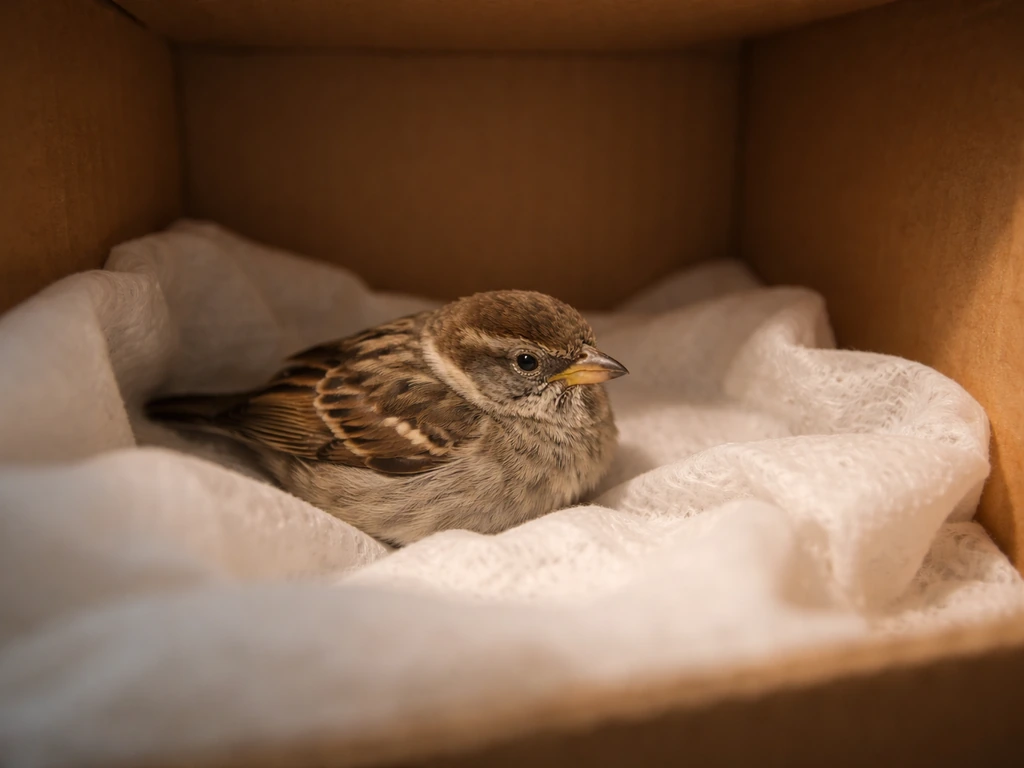
Put the bird in a small, ventilated box lined with a soft cloth, close the lid, set it somewhere warm and quiet away from pets and noise, and do not give it food or water. That covers the first critical minutes. Everything else, including whether the bird needs a vet or wildlife rehabilitator, becomes clearer once the bird has had 30 to 60 minutes to settle in that safe space.
How to Help a Dazed Bird: Step-by-Step First Aid
Marcus Holloway
2 May 2026
First steps to assess the bird safely
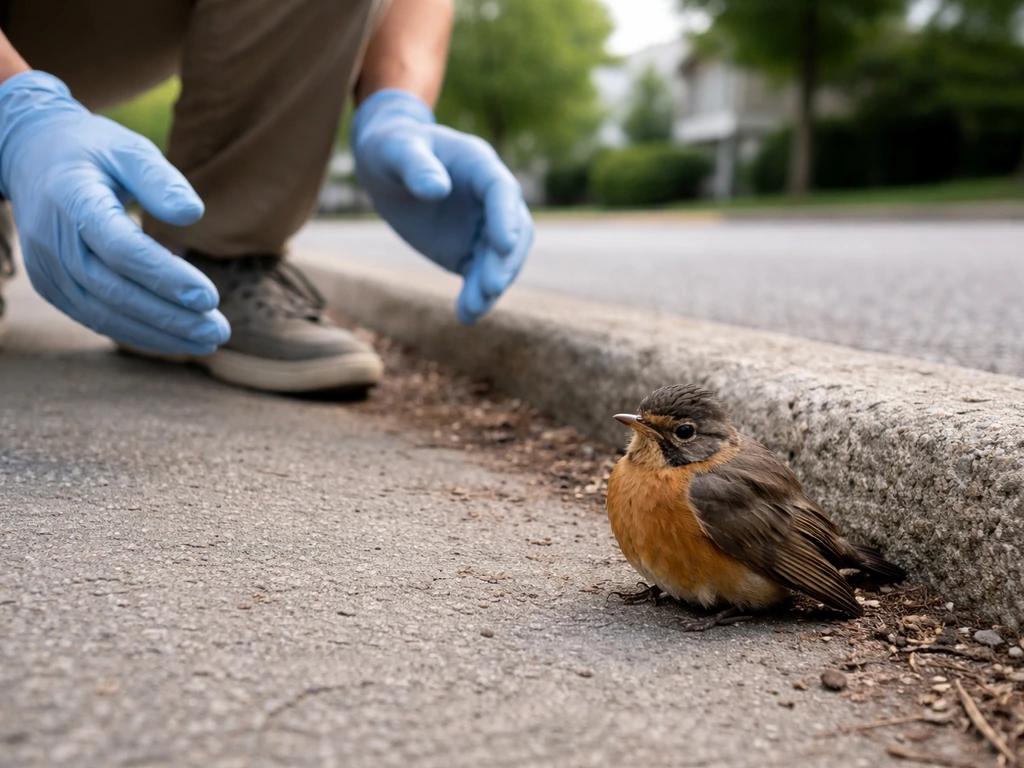
Before you touch anything, take five seconds to look at the bird from a short distance. Ask yourself: is it upright or lying on its side? Are its eyes open? Is it trying to move away from you, or is it completely unresponsive? A bird that flinches, blinks, or shuffles when you approach is conscious and has some neurological function. A bird that is completely limp, not blinking, or showing labored open-beak breathing needs help faster.
Protect yourself first. Most small songbirds pose little risk, but larger birds like hawks, owls, herons, or geese can scratch, bite, or strike with surprising force even when dazed. If you're picking up a larger bird, use a thick towel to cover it before your hands make contact. For small birds, a light cloth or even bare hands are usually fine, but keep the grip firm enough to prevent flopping, gentle enough not to compress the chest.
As you approach, note the likely cause. Window collisions are the most common reason birds end up stunned in a yard or on a sidewalk. If the bird was fine moments ago and is now sitting dazed near a glass surface, a collision is almost certainly what happened. Other causes include vehicle strikes, cat or dog attacks, and flying into a fence or wall. The cause matters because it helps you gauge the likely injury pattern and communicate clearly when you call for help.
How to stabilize the bird: warmth, darkness, and handling
The goal of stabilization is simple: reduce stress while keeping the bird from getting worse. Stress is genuinely dangerous for birds in shock, and a well-meaning rescuer handling the bird repeatedly can be just as harmful as the original injury. So once you've picked it up, the aim is to get it contained quickly and then leave it alone.
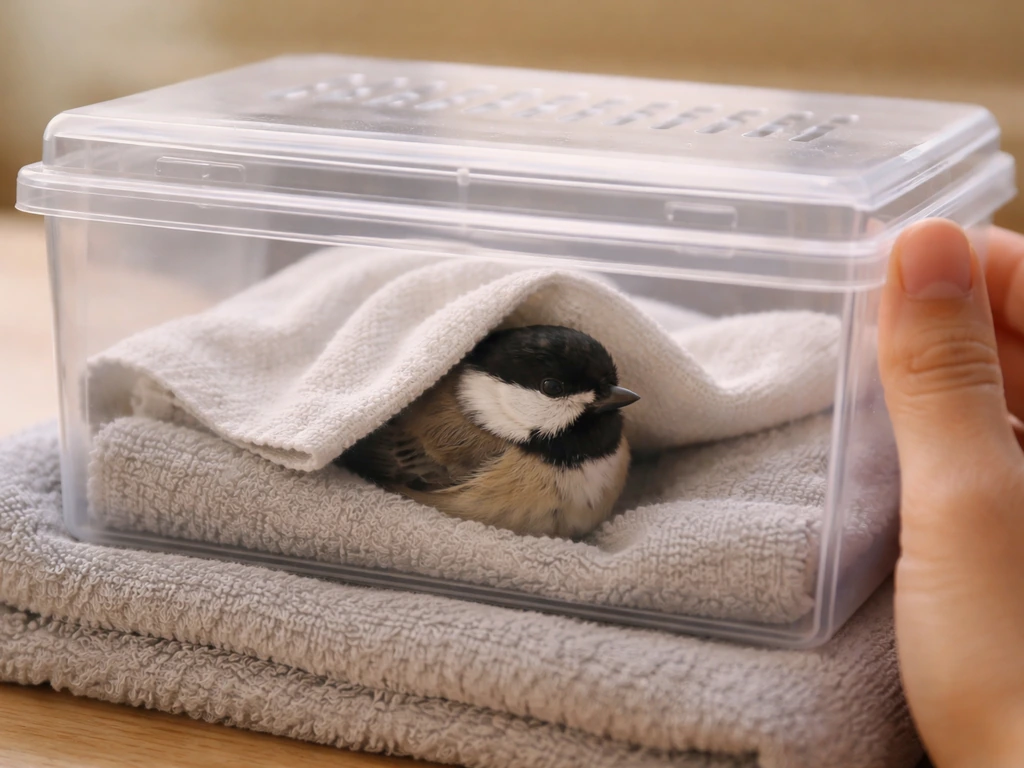
Use a shoebox or similarly sized cardboard box for small birds. Poke or cut a few small air holes in the sides (about the diameter of a pencil), then line the bottom with a folded paper towel or a small cloth. For larger birds like pigeons, ducks, or raptors, use a bigger cardboard box or a plastic pet carrier lined with newspaper or a towel. Lower the bird gently into the box, fold the lid closed, and set it somewhere dark and warm. The darkness calms the bird and reduces the stress response significantly.
Warmth is important because dazed or injured birds often can't regulate their body temperature well. A simple solution is to fill a water bottle with warm (not hot) water, wrap it in a small towel, and place it to one side of the box. If you have a heating pad, put it on its lowest setting under half the box with a towel between the pad and the cardboard. The key word in both cases is "one side" so the bird can move away from the heat if needed. Never place the bird in direct contact with a heat source, and monitor that the box doesn't become uncomfortably warm.
Keep the box away from pets, children, loud TVs, and air vents. Place it on a stable surface where it won't be knocked over. Once it's set, resist the urge to open the lid and check every few minutes. Every peek is a stress event for the bird.
What to check for hidden injuries and warning signs
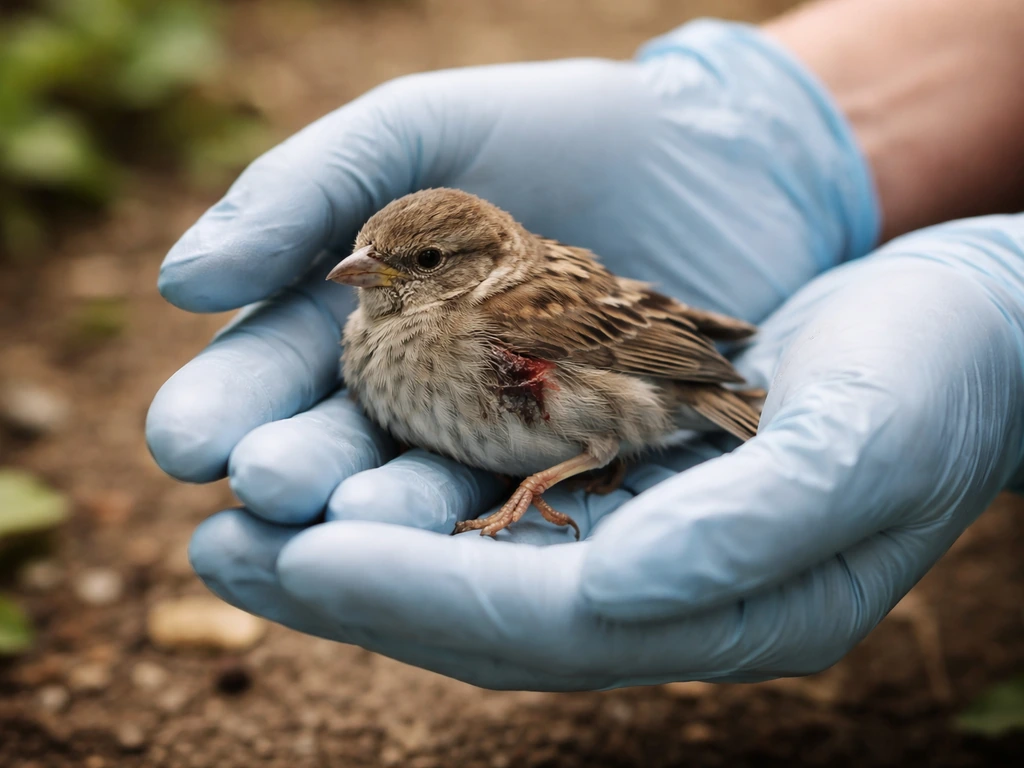
If you had a clear look at the bird while picking it up, run through a quick mental checklist. Many serious injuries are not obvious at a glance, especially internal injuries from a window strike or vehicle hit, so the absence of visible damage does not mean the bird is fine.
- Bleeding or open wounds: visible blood on feathers, skin, or the surface where the bird was lying
- Wing position: one wing hanging lower than the other, or dragging on the ground, suggests a fracture or dislocation
- Head tilt or circling: a bird that tilts its head to one side or moves in circles likely has neurological damage
- Inability to stand: a bird that repeatedly falls over or can't get its feet underneath it needs urgent attention
- Open-beak breathing or labored chest movement: a sign of respiratory distress that should not be ignored
- Pale or bluish color around the beak or eyes: can indicate shock or oxygen problems
- Repeated attempts to flip onto its back: this is a serious neurological warning sign
- Pupils that are different sizes: another sign of head trauma
Any of the above signs means you should not wait and see. These are "do not delay" indicators that require a call to a wildlife rehabilitator or avian vet right now, not after a couple of hours. A bird showing these symptoms in a dark box may still be declining even if it looks quiet.
For birds that appear only mildly stunned with no visible injuries, a couple of hours in the quiet box is a reasonable observation period. Tufts Cummings School of Veterinary Medicine puts this threshold clearly: if the bird hasn't recovered after a couple of hours, it needs professional evaluation. Don't extend that window hoping for improvement that isn't coming.
When and how to contact wildlife rehab or a vet
Contact a wildlife rehabilitator or an avian vet as soon as you've secured the bird in a box if there are any obvious injuries. If the bird looks merely stunned, you can make the call while the bird rests. Either way, making contact early is better than waiting until you're not sure what to do next.
To find help, search for "wildlife rehabilitator near me" or "bird rehab [your city/state]." The Wildlife Center of Virginia, local Audubon chapters, and state wildlife agencies all maintain directories or hotlines. Some areas have 24-hour wildlife emergency lines. Your local animal control office can also refer you if you're stuck.
When you call, have this information ready: your name and address, the exact location where you found the bird, the time you found it, the species if you know it or a description if you don't, and what you observed, including any event you witnessed like a window strike. Audubon also recommends leaving a message with your contact information and the location when you reach out through their hotline workflows your name and address, the exact location where you found the bird, the time you found it. If you saw the incident happen, say so. That context helps the rehabilitator triage severity before the bird even arrives.
The rehabilitator may ask you to describe the bird's posture, breathing, and eye response. Answer as accurately as you can based on what you observed when you picked it up. If the bird is already in the box, resist opening it again just to give a status update unless the rehabilitator specifically asks you to check something.
Restraint and transport do's and don'ts
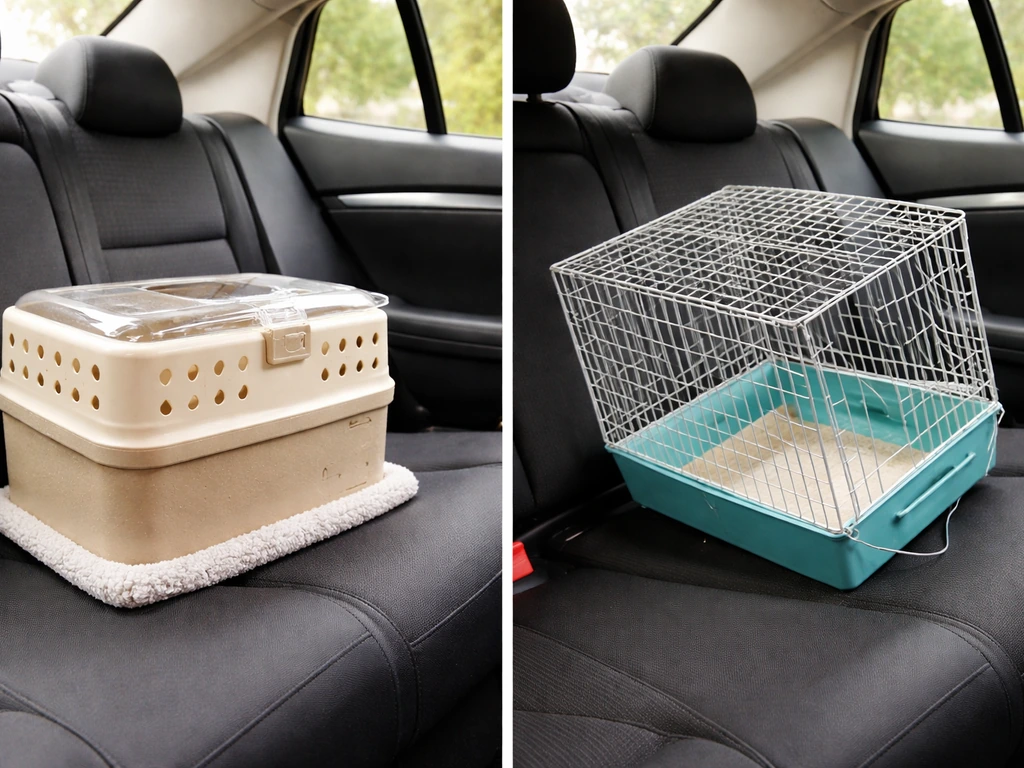
Getting the bird to a rehabilitator safely requires a calm, quiet car ride in a secure, well-ventilated container. The principles are straightforward but easy to get wrong in the rush of the moment.
| Do | Don't |
|---|---|
| Use a ventilated box lined with a soft cloth | Use a wire cage where the bird can damage its feathers or feet |
| Place the box on the floor or a stable seat | Balance the box on your lap or an angled surface where it can tip |
| Turn the radio off and drive calmly | Play music or take phone calls that produce sudden noise spikes |
| Use a towel-wrapped warm water bottle on one side of the box | Put a heating pad directly under the bird or overheat the container |
| Keep one bird per container | Place multiple birds together, which adds stress and can cause injury |
| Monitor for signs of heat stress during the drive | Assume the temperature is fine without checking |
During transport, avoid making unnecessary stops. Get the bird to the rehab center or vet as directly as possible. If the drive is long, check the box briefly at a rest stop to make sure the bird is still upright and the heat source hasn't overheated the space.
Species considerations and the feeding question
The rule on feeding and watering a dazed wild bird is almost universally "don't." This applies to songbirds, raptors, waterfowl, and most other species. Offering food or water to a bird that may have neurological impairment, a compromised swallowing reflex, or respiratory distress is genuinely dangerous. The bird can aspirate liquid into its lungs, which can be fatal. Even if the bird appears alert enough to drink, its swallowing coordination may be off after a head impact.
The one notable exception commonly cited is hummingbirds. If you're certain the bird is a hummingbird and it's responsive, some rehabilitators allow offering a small amount of sugar water (one part white sugar to four parts water) using a shallow bottlecap or dropper placed near the bird, not forced into its beak. For any other species, wait for professional guidance.
Species also affect how you handle and contain the bird. Raptors (hawks, owls, falcons) have talons that can pierce skin easily. Always use a thick leather glove or a heavy folded towel when handling them. Herons and egrets have long, sharp beaks and will aim for your face or eyes as a defensive reflex. Waterfowl like ducks and geese can strike hard with their wings. Songbirds and small perching birds are generally safe to handle with bare hands but still benefit from a calm, minimal-contact approach.
If the bird is a species you can't identify, treat it as you would a moderately large bird: use gloves, use a larger container, and don't underestimate its strength. A dazed bird that recovers slightly during handling can become unexpectedly strong.
Recovery basics once the bird is calm and breathing normally
A bird that has genuinely stabilized will be upright in the box, blinking normally, and may move its head around or attempt to stand. Its breathing should be quiet and closed-beak. These are good signs, but they do not mean the bird is ready to be released. Internal injuries from a collision are common and may not show obvious symptoms until hours later.
Do not release the bird on your own, even if it seems alert and is trying to flutter. A bird that looks recovered to you may still have a concussion, internal bleeding, or a partial wing injury that will prevent survival once it's back outside on its own. Release decisions should be made by a wildlife rehabilitator or vet who can assess the bird properly.
If you cannot reach a rehabilitator immediately and the bird is clearly improving (upright, calm, eyes tracking, no labored breathing), keep it in the dark box until you can connect with a professional. Continue monitoring the temperature inside the box, make sure ventilation holes haven't been blocked, and keep the space quiet. Do not move it to a larger cage or allow it to perch freely in a room, which adds stress and risk of further injury.
Once you hand the bird off to a rehabilitator, they will perform a full assessment, provide any needed fluids or medication, and determine a care and release plan. Your job at that point is done. Most mildly stunned birds, especially window-collision cases with no serious injuries, do recover fully under professional care. Getting the bird to that care quickly, handling it minimally, and skipping the food and water is genuinely the most helpful thing you can do.
If the bird was found on the ground and can't fly at all, that situation has its own specific considerations around longer-term care. Similarly, if the bird was trapped indoors or caught in flooding, the approach can differ slightly. If the bird is trapped inside, focus on keeping it calm, limiting handling, and getting it to a wildlife rehabilitator or avian vet when it has stabilized bird trapped indoors. But the core principles here, secure container, warmth, darkness, no food or water, and professional evaluation, apply across almost all dazed or injured bird scenarios you're likely to encounter. If you’re dealing with a bird that almost drowned, the same stress-reduction steps apply, but you may also need urgent professional help for breathing and aspiration.
FAQ
How can I tell if the bird is breathing normally or having trouble breathing?
Look for smooth, closed-beak breathing with no repeated mouth opening. Labored signs include open-beak breathing, noisy wheezing, frequent yawning or gaping, or the bird staying motionless while struggling to inhale. If you see any of those, treat it as an urgent “do not delay” case and call for help immediately rather than observing longer.
Should I cover the bird with a towel even if it is a small songbird?
You can, but keep it minimal. For small birds, avoid compressing the chest, and do not wrap so tightly that ventilation gaps get blocked. If the bird is panicked, a loose cover can reduce visual stress, but the primary goal is still a ventilated container with darkness and a quiet environment.
Is it okay to check on the bird by opening the box to see how it’s doing?
Brief visual checks from outside the container are better than opening. Opening repeatedly restarts the stress response and can worsen breathing in shock. Only open if a professional specifically asks you to, or if you must confirm ventilation holes are clear after something blocked them.
What should I do if the bird’s wings or legs look injured, but it still seems alert?
Treat alertness as unreliable. Containing warmth and darkness while keeping handling to an absolute minimum is safer until a vet or rehabilitator assesses alignment and internal injuries. If there is visible bleeding, active bleeding should be managed by professionals, so focus on stabilization and prompt contact.
The bird is in my yard and I can’t tell where it came from, what details matter most when I call?
Share time of discovery, exact spot, and any environmental context like nearby glass, cats, dogs, roads, or recent storms. Also mention whether it was found on the ground, on a ledge, or mid-flight and then fell. If you did not witness the event, describe what you observe now (posture, eye openness, breathing) and the likely scenario you suspect.
Can I move the bird outside of the box to a different container to make transport easier?
Avoid transferring containers unless you have no choice. A transfer means extra handling and potential stress, plus risk of dropping or compressing the bird. If the current box is safe, keep it and adjust the transport setup rather than changing containers midstream.
If the bird looks better after an hour, can I release it right away?
Do not release it on your own even if it is upright and seemingly alert. Internal injuries, concussion, and partial wing damage may not be obvious until it tries to fly. Instead, keep it contained until you receive guidance or handoff to a rehabilitator or avian vet.
What if the bird is covered in oil, smoke residue, or seems wet from something other than rain?
Do not try to wash it yourself. Oiled and contaminated birds can suffer from temperature loss, ingestion during preening, and breathing issues, and washing can worsen aspiration risk. Place it in a secure ventilated, lined container away from drafts and call a wildlife rehabilitator urgently for species-specific decontamination advice.
Should I remove or clean any obvious debris from the bird’s feathers with my hands?
No. Unless the rehabilitator instructs you, do not attempt to pick debris off, because pulling can damage feathers or skin and increase stress. Instead, contain the bird, keep it warm and dark, and let trained staff handle cleaning and injury assessment.
What’s the right way to place warmth in the box if I do not have a heating pad or warm bottle?
Use room-safe warmth, not direct heat. You can place the box in a warmer room and add indirect warmth such as a towel-wrapped warm water bottle on one side, ensuring there is always space for the bird to move away. Avoid hot water, avoid direct contact with the bird, and stop if the container feels uncomfortably hot to your hand.
If the bird is on the ground and the weather is cold, should I let it warm up before transporting?
Yes, but only in the secure container setup. Warm the bird indirectly so it can gradually regain temperature, using one-sided warmth and maintaining ventilation. Keep transport time short once it is stable, since prolonged cold exposure or repeated handling both increase risk.
Are there any feeding or watering situations where I should give the bird something anyway?
Only consider the hummingbird exception if you are certain of species and the bird is responsive, and even then use small amounts of sugar water offered near the bird, not forced. For all other species, feeding and watering are high-risk because impaired swallowing can lead to aspiration, and recovery can be delayed or worsened.
What if I can’t reach a wildlife rehabilitator immediately, and the bird is not improving?
Keep it contained, warm, and dark, and continue trying to reach professional help. If the bird shows worsening breathing, complete limpness, or persistent open-beak breathing, escalate to the nearest avian vet or wildlife emergency line if available. Do not attempt home rehabilitation beyond stabilization and transport readiness.
The bird is active and hopping around, but its flight looks wrong. Does it still need the same “no release” rule?
Yes. A bird can appear coordinated while still having a concussion, wing injury, or internal bleeding that prevents safe flight later. Keep it contained and seek professional assessment before allowing any time outside for recovery.
Next Article
How to Care for a Bird That Can’t Fly: First Steps
Step-by-step first aid for a grounded bird: assess, warm, contain, feed safely, spot red flags, and get rehab fast.