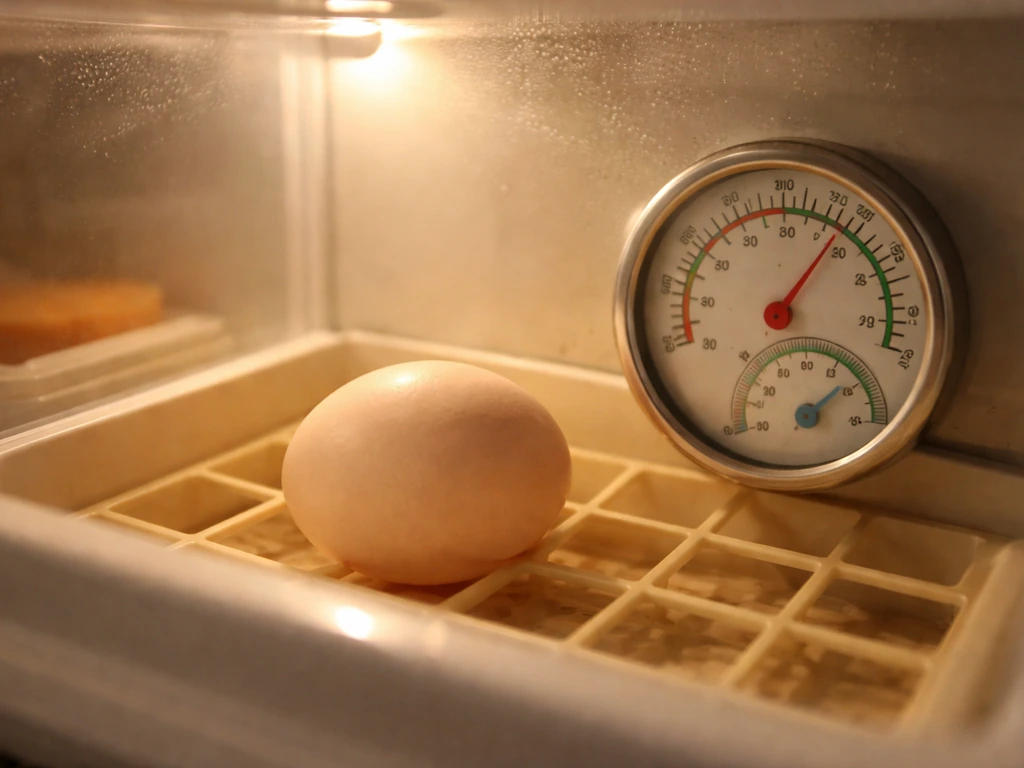
If you have a bird that's straining, sitting on the cage floor, and can't seem to pass an egg, you're dealing with a potential emergency. Egg binding can be fatal within a couple of days, so acting quickly and calmly matters. This guide walks you through how to assess what's happening, what to do first, whether gentle massage assistance is appropriate, how to do it safely, and when to stop and get professional help immediately. This guide walks you through how to assess what's happening, what to do first, whether gentle massage assistance is appropriate, how to do it safely, and when to stop and get professional help immediately how to candle a bird egg.
How to Massage an Egg-Bound Bird: Safe Step-by-Step Help
Marcus Holloway
19 Apr 2026
Egg binding vs. other emergencies: what you're actually looking at
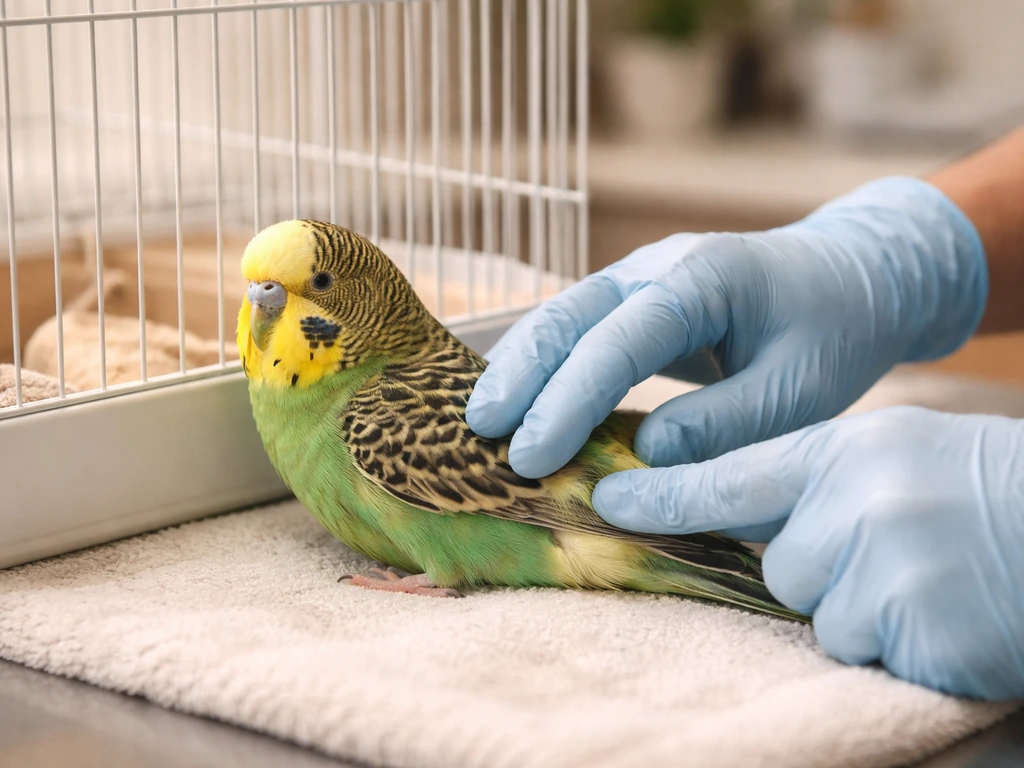
Not every bird sitting on the cage floor is egg-bound. Infections, other illnesses, and even trauma can cause the same posture. That said, if your bird is a female who has been showing laying behavior (nesting, restlessness, a swollen or firm lower abdomen) and is now in distress, egg binding is high on the list.
The signs that point toward egg binding specifically include: a visibly swollen or distended lower abdomen, repeated straining or tail bobbing, weakness or inability to perch, sitting puffed up on the cage floor, and not passing an expected egg within about 24 to 48 hours of obvious laying behavior. In more severe cases you may see open-mouth breathing or leg weakness/paralysis, because a large or stuck egg can press on nerves and blood vessels.
The sign that changes everything is tissue protruding from the vent (the opening at the base of the tail). If you see a red or pink mass coming out of the vent, that is a prolapse, not simple egg binding. Do not massage, do not apply pressure, do not attempt to push it back in. This needs emergency veterinary care right now. Similarly, if you see blood coming from the vent, treat it the same way: vet immediately.
| Sign | Likely Situation | Action |
|---|---|---|
| Swollen abdomen, straining, on cage floor, no egg in 24-48 hrs | Possible egg binding | Supportive care first, then assess for gentle assistance |
| Red/pink tissue visible at the vent | Prolapse (not simple egg binding) | Emergency vet immediately, do not massage |
| Bleeding from vent | Injury, prolapse, or rupture | Emergency vet immediately |
| Open-mouth breathing or severe weakness | Advanced/severe egg binding or other emergency | Emergency vet immediately |
| Sitting on floor, fluffed, no laying behavior history | Could be illness unrelated to eggs | Vet evaluation, do not assume egg binding |
Do this first: warmth, quiet, and a safe setup
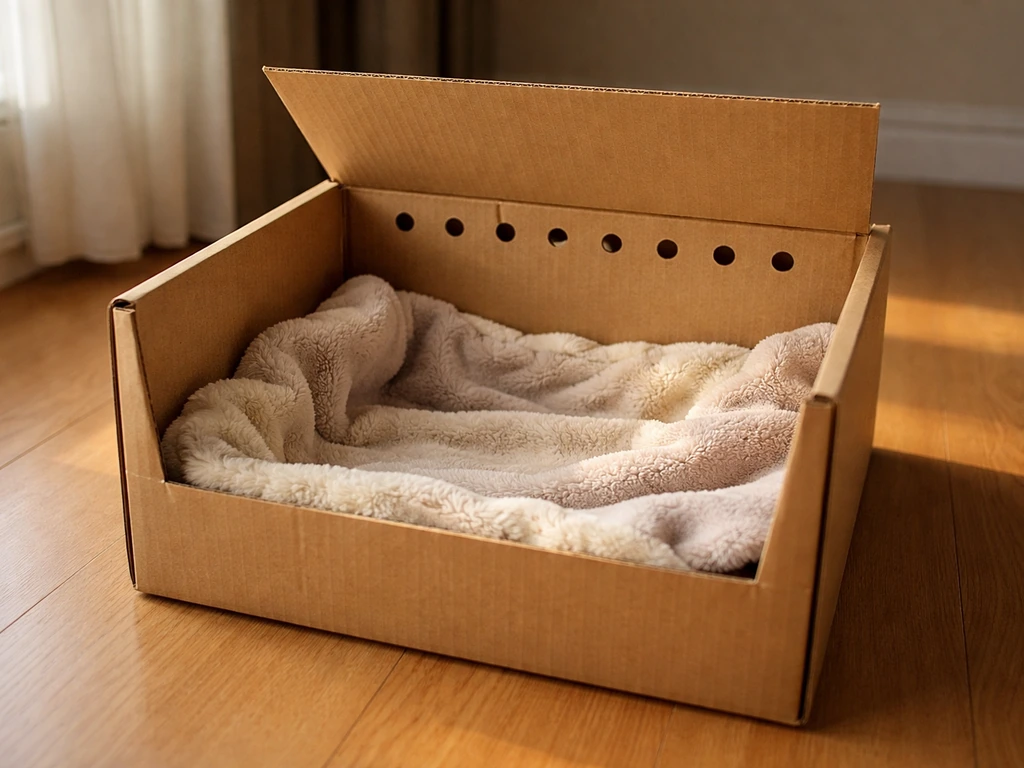
Before you touch the bird for anything beyond a quick assessment, set up a supportive environment. This step is not optional, and it genuinely helps. Warmth relaxes the muscles around the oviduct and can sometimes be enough, on its own, to help the bird pass the egg.
Place the bird in a small, escape-proof container like a cardboard box with ventilation holes or a travel carrier. Line the bottom with a soft, non-fraying towel so the bird can rest comfortably without gripping a perch. Aim for an ambient temperature of around 85 to 90 degrees Fahrenheit (29 to 32 degrees Celsius) inside the enclosure. You can achieve this by placing a heating pad on the lowest setting under half of the container (so the bird can move away if too warm), or by using a heat lamp positioned at a safe distance.
Keep the space dim and quiet. Cover most of the container with a light cloth to reduce visual stimulation and stress. Stress makes everything worse in a bird emergency, and a calm, warm, dark-ish space is genuinely therapeutic. Do not put food or water in a way the bird might aspirate (breathe in), and do not try to force liquids into the bird's mouth.
A warm, humid environment also helps soften the tissues around the vent. Some people carefully steam a bathroom (running a hot shower with the bird's container nearby but out of direct steam) for 10 to 15 minutes. This is a reasonable step, but watch the bird closely the whole time and make sure it isn't overheating or stressed.
Give this setup 30 to 60 minutes. Sometimes that warmth is all a mildly egg-bound bird needs. If the bird passes the egg during this time, move to the aftercare section below. If there is no improvement, or if the bird's condition is worsening, read on.
Is gentle massage actually appropriate here?
This is where you need to be honest with yourself about what you're looking at. Gentle external assistance is only appropriate in a narrow window: when the bird is stable (not in severe respiratory distress, no prolapse, no bleeding), when you can feel or see the egg is close to the vent, and when warmth and humidity alone haven't been enough after 30 to 60 minutes of supportive care. Merck Vet Manual notes that if egg binding is detected early and the egg is within the distal reproductive tract, wrapping the bird in a warm towel and massaging the abdomen toward the vent, with lubricant inside the cloaca, can occasionally help the egg pass Gentle external assistance is only appropriate in a narrow window: when the bird is stable.
If the bird is a pet (a parrot, canary, finch, budgie, or similar), and you've already called or tried to reach an avian vet or wildlife rehab and are waiting on a callback, gentle supportive positioning and very mild encouragement can be done. If the bird is wild and you found it struggling on the ground, the same warmth-and-quiet approach applies, but the case for attempting any hands-on assistance is much weaker since wild birds rarely tolerate handling and the stress alone can be fatal.
To be direct: most reputable avian resources say not to try to remove the egg yourself, and the guidance against pressing on the abdomen is consistent and clear. What falls within safe layperson territory is very gentle external encouragement, not manipulation. If you have any doubt, skip the massage and go straight to a vet. The window for safe lay handling is small, and the consequences of doing it wrong (oviductal rupture, laceration, egg yolk leaking into the abdomen causing peritonitis) are serious.
How to do a safe, gentle massage (and what to avoid)
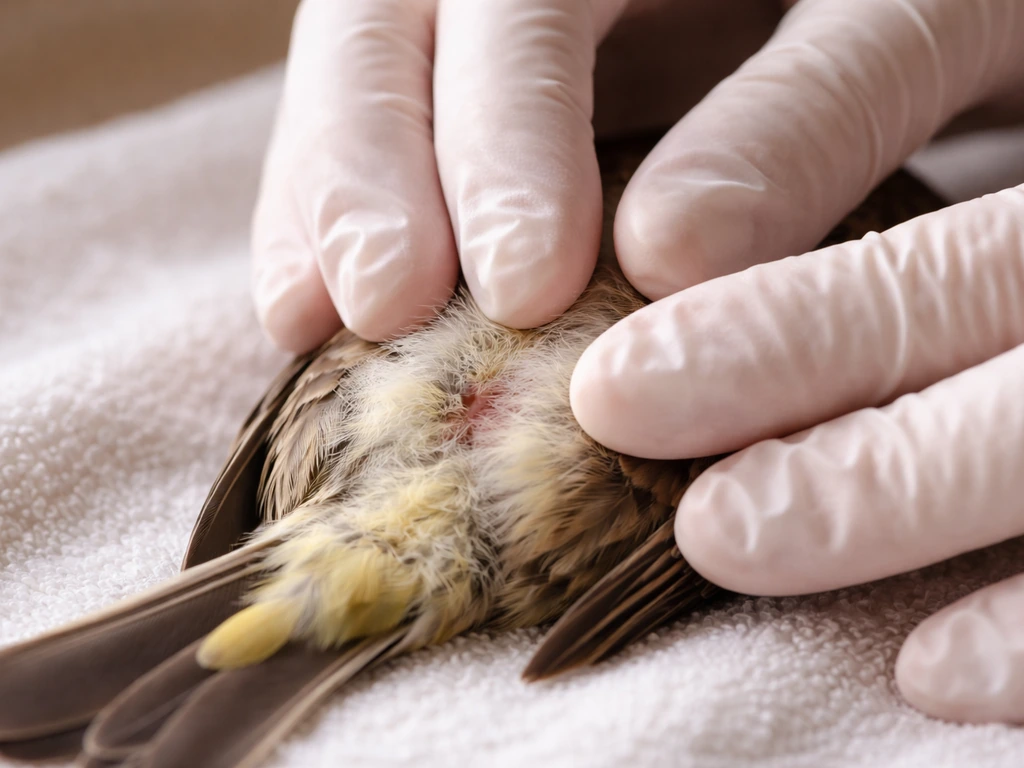
If you've assessed the situation and decided gentle assistance is appropriate, here is how to do it with the least possible risk.
Before you start
- Wash your hands thoroughly.
- Have a clean, soft towel ready to hold the bird.
- Make sure the bird has had at least 30 minutes in a warm environment already.
- Have a vet's contact number in front of you before you begin.
- Do not use oils, lotions, human calcium supplements, or any medication unless specifically instructed by a vet.
Positioning the bird
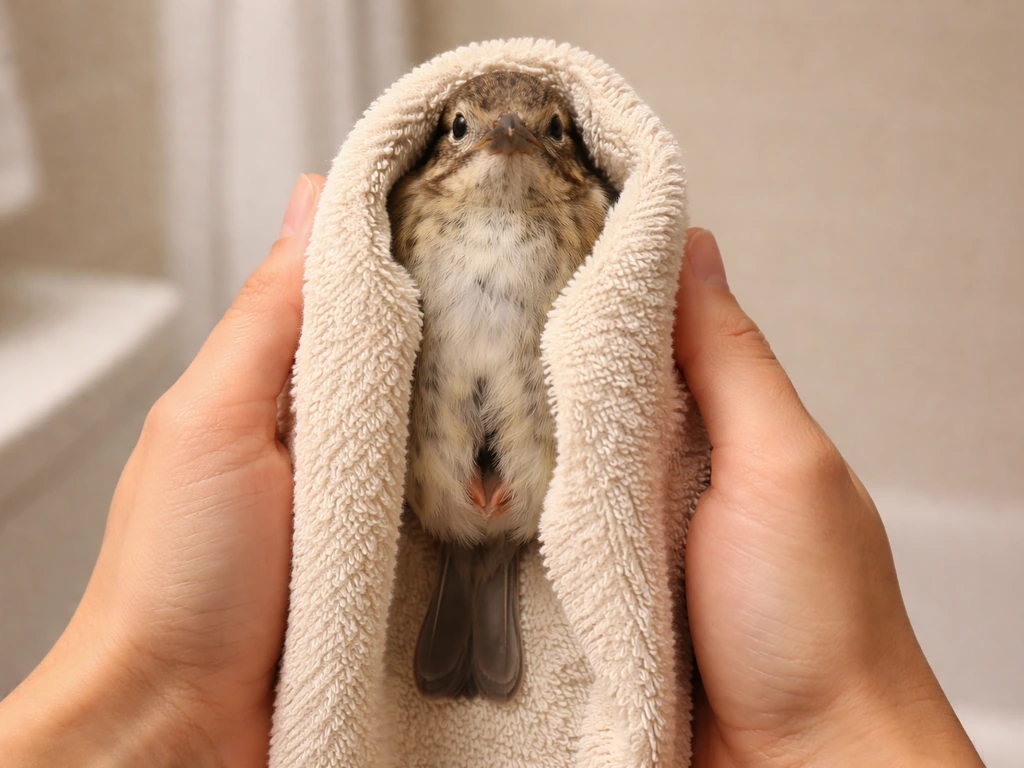
Wrap the bird loosely in a small, warm towel so it feels secure but is not compressed. Hold it upright or very slightly tilted with the vent area accessible. You are not restraining it tightly, just giving it a sense of security. If the bird is struggling hard, pause and reassess. A bird fighting your hold is burning energy it doesn't have.
The massage itself
With one or two fingertips (use your index finger for a small bird, two fingers for a larger one), very gently feel the lower abdomen just above the vent. You may be able to feel the egg as a firm, oval shape. Do not press inward. Do not squeeze. What you are doing is extremely light, circular, gentle strokes along the sides of the egg, moving downward and toward the vent. Think of it less as pushing and more as encouraging. The pressure should be no more than you'd use to stroke a grape without denting it.
Keep sessions brief: 30 to 60 seconds of gentle stroking, then rest for a minute or two and let the bird settle. Repeat no more than two or three times. If the egg is moving toward the vent, you may see it appear at the vent opening. At that point, stop applying pressure and let the bird's own muscle contractions do the work.
Some people gently support the bird in a slightly squatting position (similar to how a hen naturally lays), which can make it easier for the bird to use its own muscles. You can try resting the bird's feet on a soft surface and supporting its body so it's in a natural squat, then letting it sit quietly for a few minutes rather than holding it upright.
What never to do

- Do not press hard on the abdomen.
- Do not try to pull the egg or any tissue out of the vent.
- Do not try to break or squeeze the egg out.
- Do not insert anything into the vent.
- Do not keep trying if the bird is worsening, panicking, or showing any of the danger signs below.
Stop immediately if you see any of these signs
Some situations go from manageable to critical fast. Stop any handling and get the bird to an avian vet or wildlife rehabilitator as an emergency if you notice any of the following:
- Tissue (red or pink mass) appearing at or protruding from the vent during or after your attempt.
- Bleeding from the vent.
- Open-mouth breathing or labored, audible breathing.
- The bird going limp, losing consciousness, or becoming completely unresponsive.
- Severe leg weakness or inability to move the legs at all.
- The egg has not moved at all after two or three gentle sessions spread over an hour.
- The bird's condition is clearly deteriorating: more weakness, more lethargy, more straining.
An egg-bound bird that doesn't pass the egg with conservative care can only survive a couple of days. A vet may be able to administer calcium injections or medications that help the oviduct contract, or they may need to assist delivery directly in a controlled setting. If that fails, surgical removal is possible. None of these options are available to you at home, which is why escalating quickly when conservative measures aren't working is so important.
If you can't reach an avian vet, contact a wildlife rehabilitator if the bird is wild, or an emergency exotic animal clinic. Call ahead so they know what's coming. While you're in transit, keep the bird warm in the same contained, dimly lit setup.
After the egg is passed: what to do next
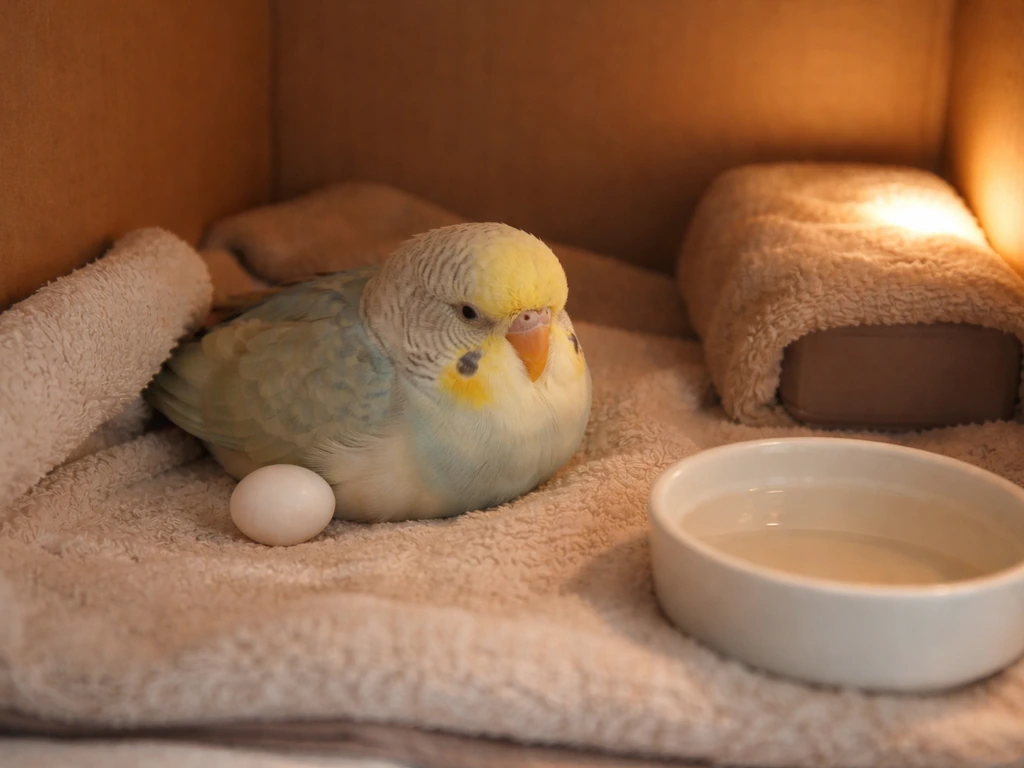
Once the egg is out, the bird is not automatically in the clear. Once the egg is safely passed, this is where knowing how to take care of bird eggs and monitor the bird afterward makes a big difference. If you do need to move eggs, focus on safe handling and temperature control to reduce stress and protect viability. Passing a retained egg is physically taxing, and the risk of complications like infection or internal damage doesn't vanish the moment the egg appears. Here's what to do in the hours and days after.
- Keep the bird warm and quiet for at least 24 hours. The same warm, dim, low-stress environment that helped before continues to help now. Don't rush to return it to a normal cage environment.
- Offer fresh water and easy-to-eat foods. For pet birds, soft foods, leafy greens, and foods naturally higher in calcium (like dark greens) are good choices. Don't force feeding, just make food accessible.
- Check the vent area. Look for any signs of swelling, discharge, tissue that shouldn't be there, or bleeding. A little redness right after passage can be normal. Anything that looks raw, protruding, or is getting worse over the next few hours needs veterinary attention.
- Watch for normal droppings. The bird should pass droppings again within several hours of laying the egg. If it's been more than 12 hours with no droppings, call a vet.
- Monitor energy and appetite for at least 72 hours. A bird that passed the egg but remains lethargic, fluffed, or not eating after 24 hours may have a secondary complication like infection or internal damage.
- Schedule a vet check even if things look fine. Especially for pet birds with a history of egg binding, a follow-up exam helps catch complications like retained egg fragments or early oviduct disease before they become a bigger problem.
Longer-term complications from egg binding include egg yolk peritonitis (when yolk material leaks into the abdomen), internal adhesions, oviduct infections, and reduced fertility. These are more likely when binding was prolonged or when there was any internal trauma. This is another reason a vet check after the event, even a brief phone consultation, is worthwhile.
Reducing the risk of it happening again
Egg binding isn't purely bad luck. There are real, addressable risk factors, and if your bird has been egg-bound once, the chance of it happening again is meaningful enough to take prevention seriously.
Nutrition and calcium
Low calcium and poor overall nutrition are among the most commonly cited contributors to egg binding. If you’re trying to prevent egg-binding or manage eggs at home more confidently, this guide on how to take care of bird eggs can help you plan the right steps. The muscles responsible for moving an egg through the oviduct need adequate calcium to contract effectively. For pet birds, a varied diet that includes dark leafy greens, appropriate pellets, and limited seed-only feeding goes a long way. If you're feeding a seed-heavy diet, talk to an avian vet about calcium and Vitamin D3 supplementation, since D3 is needed for calcium absorption and birds kept mostly indoors may be deficient.
Weight and exercise
Obesity is a risk factor. An overweight bird has reduced muscle tone and may have fat deposits that physically interfere with egg passage. Make sure your bird gets adequate out-of-cage flight or movement time if it's a pet species, and avoid diets high in fat and seed.
Reducing triggers for excessive egg laying
Chronic egg laying puts repeated strain on the reproductive system and increases binding risk over time. Common triggers include long light exposure (more than 10 to 12 hours of light per day), the presence of a mate or perceived mate, nesting materials, and being petted in ways that mimic mating behavior. Reducing these stimuli, shortening light exposure, removing nesting materials, and adjusting how you interact with the bird can reduce the frequency of laying cycles. Your avian vet can also discuss hormonal management options if chronic laying is a persistent issue.
Stress and environment
Stress is a genuine physiological risk factor, not just an abstract concern. A bird that is frequently startled, kept in a noisy or unpredictable environment, or moved often during breeding season is at higher risk. A consistent, calm environment during periods when a female bird is likely to lay makes a practical difference.
Finally, close monitoring during the 24 to 48 hour window after laying behavior starts is one of the most useful things you can do. Most egg-bound cases that are caught and treated early have much better outcomes than those where the bird has been struggling for over a day before anyone noticed. Knowing what normal laying looks like for your specific bird, and being alert to changes in that pattern, is the foundation of prevention.
FAQ
How can I tell egg binding from prolapse before I try any massage?
No. Prolapse is a different emergency, and you should not attempt any massage or pressure if tissue is visible at the vent (red, pink, or moist-looking mass). Also treat any bleeding from the vent as emergency-only, go straight to an avian vet or emergency exotic clinic.
What if the bird does not pass the egg after a short warm rest, can I keep massaging longer?
Use warmth first. If the bird is stable, provide the dim, warm, humid setup for 30 to 60 minutes and only consider very brief, extremely light external encouragement if you can actually feel or see the egg near the vent and the bird is not struggling to breathe. If there is no improvement within that window, stop and escalate to a vet rather than extending massage sessions.
When should I stop the massage even if I do not see an obvious protruding mass?
Stop immediately if the bird becomes more lethargic, starts open-mouth breathing, shows worsening weakness, or the vent area looks swollen or irritated after handling. Even without clear signs of prolapse, these changes suggest internal stress and the need for emergency care rather than more manipulation.
Are there safe lubricants or products I can use to make massage easier?
Do not use oils, creams, disinfectants, or alcohol around the vent or abdomen. These can irritate delicate tissues and are easy to aspirate if the bird becomes stressed. If you need traction for holding, use a clean, dry towel, and keep fingertips gentle and free of residue.
If I cannot feel the egg, should I still try external strokes?
Not usually. A bird that is laying behavior but still eating, perching, and breathing normally may be monitored with warmth and a quiet environment, but if you cannot confirm the egg is close to the vent, do not try stroking. If you are unsure whether a firm mass is the egg, skip massage and seek vet guidance.
Can I offer food or water while waiting for a vet call?
If you are in transit waiting for a callback, keep warmth and reduce stress, but do not feed forced food or liquids. Offer only if the bird can swallow normally on its own during calm periods, otherwise aspiration risk increases when a bird is struggling to pass an egg.
How do I make sure the warm setup is the right temperature and not too hot?
For a stubborn case, temperature that is too cool will not relax the muscles, and overheating can worsen distress. Aim for roughly 85 to 90 F (29 to 32 C) in the enclosure with a way for the bird to move away from the heat source, and avoid direct contact with hot surfaces.
What is a safe maximum number and length of massage sessions at home?
Avoid repeated long sessions. Keep it to 30 to 60 seconds of very light, side-to-side encouragement, then rest 1 to 2 minutes, and limit total attempts to a few times. If the egg does not progress toward the vent quickly, that is a sign to escalate, not to keep going.
Does the approach change if the bird is wild versus a pet?
If your bird is a pet, the case is more predictable and you may have a short window to try gentle support only when stable. If it is a wild bird, the stress and handling risk is much higher, so prioritize warmth, quiet, and minimal handling, and contact a wildlife rehabilitator as the primary action.
What signs mean my bird needs a follow-up vet check after the egg comes out?
After an egg is passed, watch for weakness, continued straining, labored breathing, foul-smelling discharge, or reduced appetite for the next several days. These can signal complications like infection or internal irritation, even if the immediate emergency seems over.
Is there a timeline that makes egg binding more urgent?
Yes, but use it as a decision aid, not a substitute for care. If your bird has had laying behavior, a firm lower abdomen, and repeated straining for more than 24 to 48 hours, treat it as high risk and do not wait for symptoms to worsen before arranging an avian vet visit.
What practical steps reduce the chance of egg binding coming back?
Prevention focuses on calcium support, appropriate diet (not seed-heavy), healthy weight, and controlling reproductive triggers like light exposure and nesting materials. If egg binding has happened before or laying is frequent, ask an avian vet about vitamin D3, calcium, and whether hormonal management is appropriate for your species and situation.
Next Article
How to Incubate Bird Eggs Safely: A Step-by-Step Guide
Decide if DIY incubation is ethical, then incubate bird eggs safely with heat, humidity, turning, candling, and hatch ca