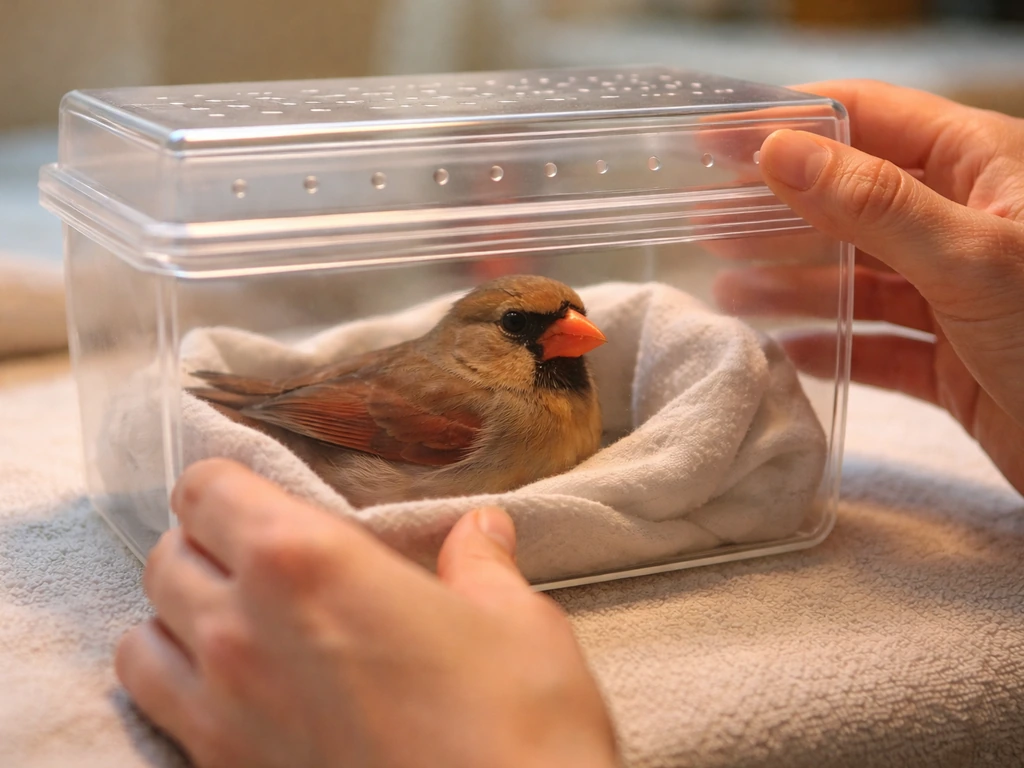
If you've found an injured, sick, or orphaned bird, the single most important thing you can do right now is keep it warm, keep it quiet, and resist the urge to feed or water it until you've spoken with a wildlife rehabilitator or avian vet. Most birds don't need your intervention at all, and the ones that do need professional care far more than home remedies. What you do in the next 30 minutes matters, so here's exactly how to handle it.
How to Take Care of a Bird at Home Safely
Marcus Holloway
7 May 2026
What to do right now: safety and a quick assessment
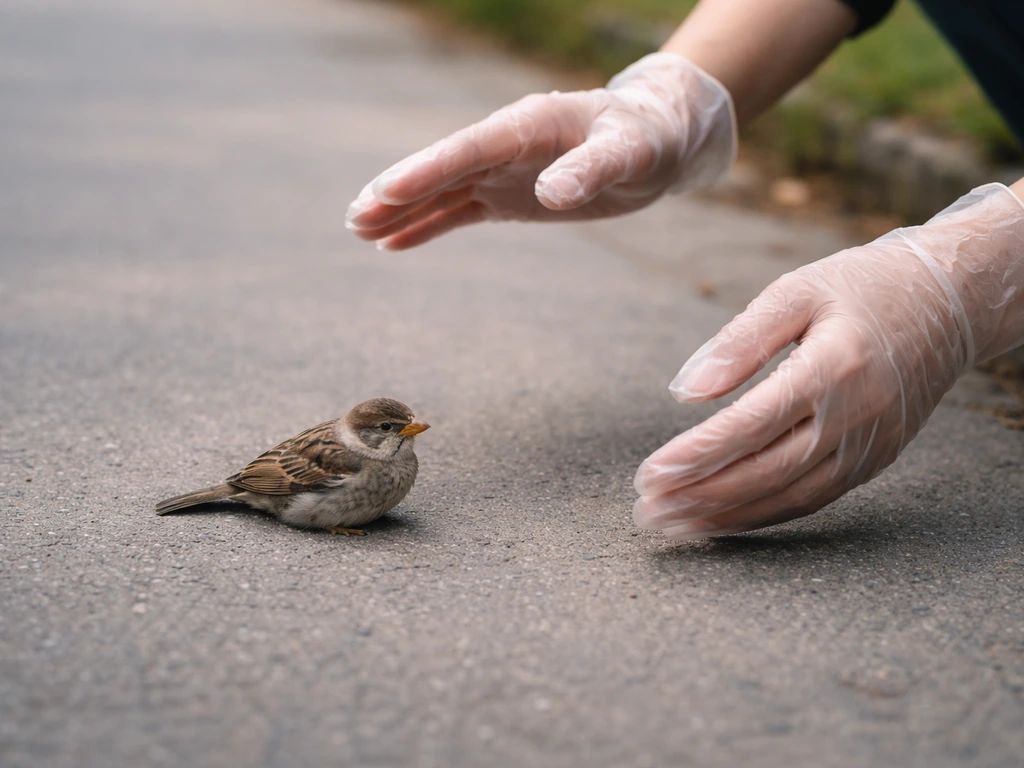
Before you touch the bird, take 30 seconds to assess. Is it clearly injured (bleeding, dragging a wing, unable to stand)? Or is it just sitting quietly on the ground? A bird that's simply sitting still isn't always in trouble. Parent birds are often nearby and still caring for young that look abandoned. According to the U.S. Fish and Wildlife Service, if a young bird isn't visibly injured, the parents are likely nearby and still watching over it.
Signs that the bird genuinely needs help include obvious bleeding, a wing held at an odd angle, the bird lying on its side, visible wounds, or labored breathing that continues for more than two hours. A bird that's alert, upright, and hopping is almost always better left alone.
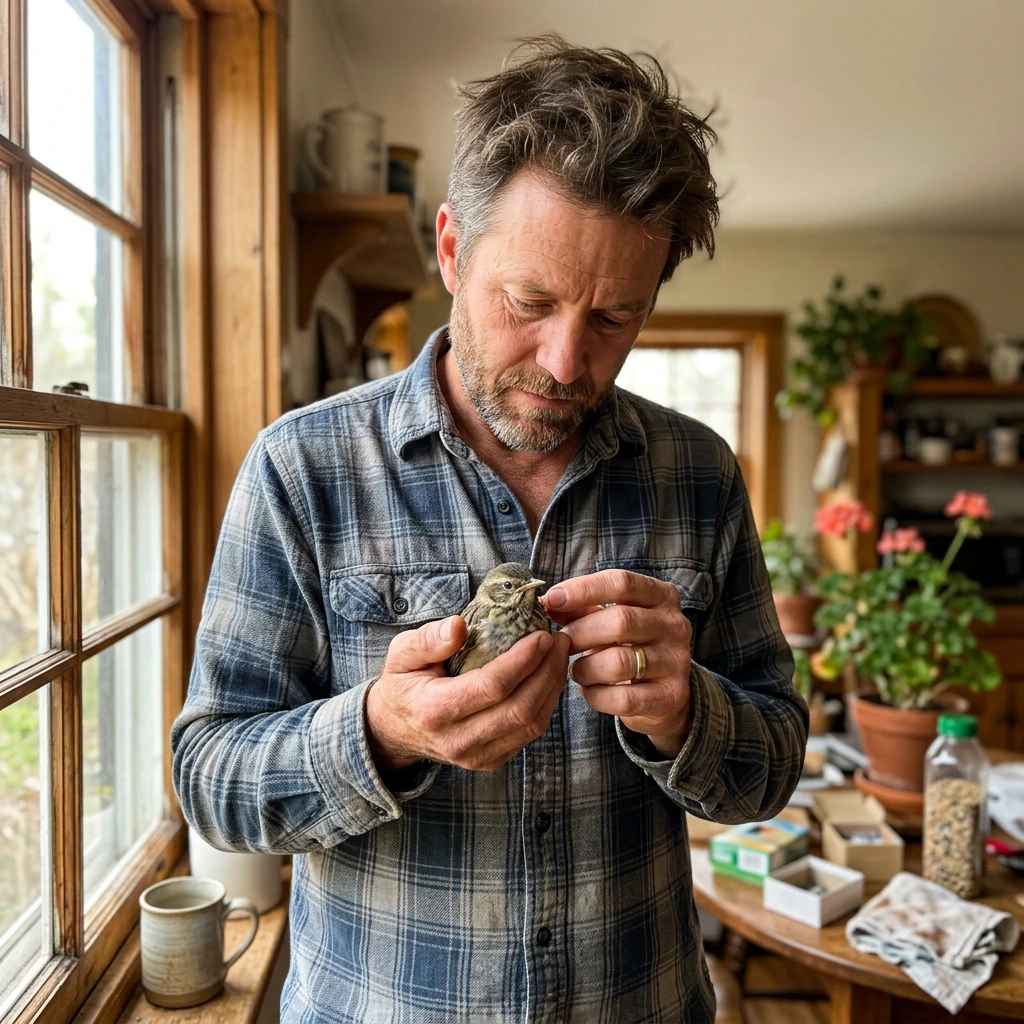
If you do need to pick the bird up, protect yourself first. Wear gloves if you have them, or use a folded towel. Wild birds can carry parasites and bacteria, and even small birds can scratch or peck. Wash your hands thoroughly afterward regardless. Keep your face away from the bird's beak and don't let it near your eyes.
Also worth knowing: in the U.S., most wild birds are protected under the Migratory Bird Treaty Act, and keeping one without a federal permit is illegal. Your goal at home isn't to rehabilitate the bird yourself. It's to stabilize it safely and get it to someone licensed to help.
Setting up warmth, quiet, and a temporary space
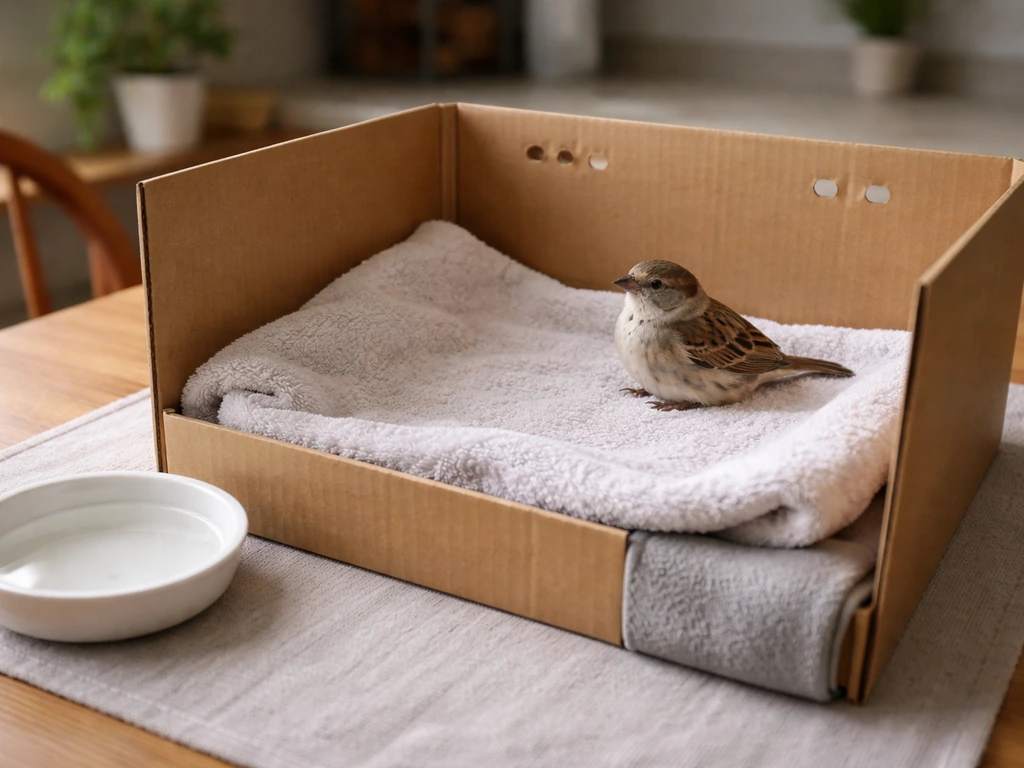
A cardboard box is your best friend here. Use one that's appropriately sized for the bird (not too big, not cramped), poke several small air holes in the sides, and line the bottom with a plain towel. Avoid towels with frayed edges or loose threads, since birds can catch their toes or nails in them.
Warmth is critical, especially for small songbirds. Place one end of the box on top of a heating pad set to low, with a towel between the pad and the box. This creates a temperature gradient so the bird can move away from the heat if it gets too warm. If you don't have a heating pad, a small water bottle filled with warm (not hot) water and wrapped in a towel works as a substitute. Check it regularly and rewarm as needed.
Once the bird is boxed, put the box somewhere semi-dark, quiet, and away from pets, children, and household noise. Darkness reduces stress significantly. Minimize how often you open the box to check on the bird. Every peek is stressful for the animal, and stress can kill an already weakened bird faster than the original injury. Keep noise low and avoid talking near the box.
Handling and basic first aid: what you can actually do
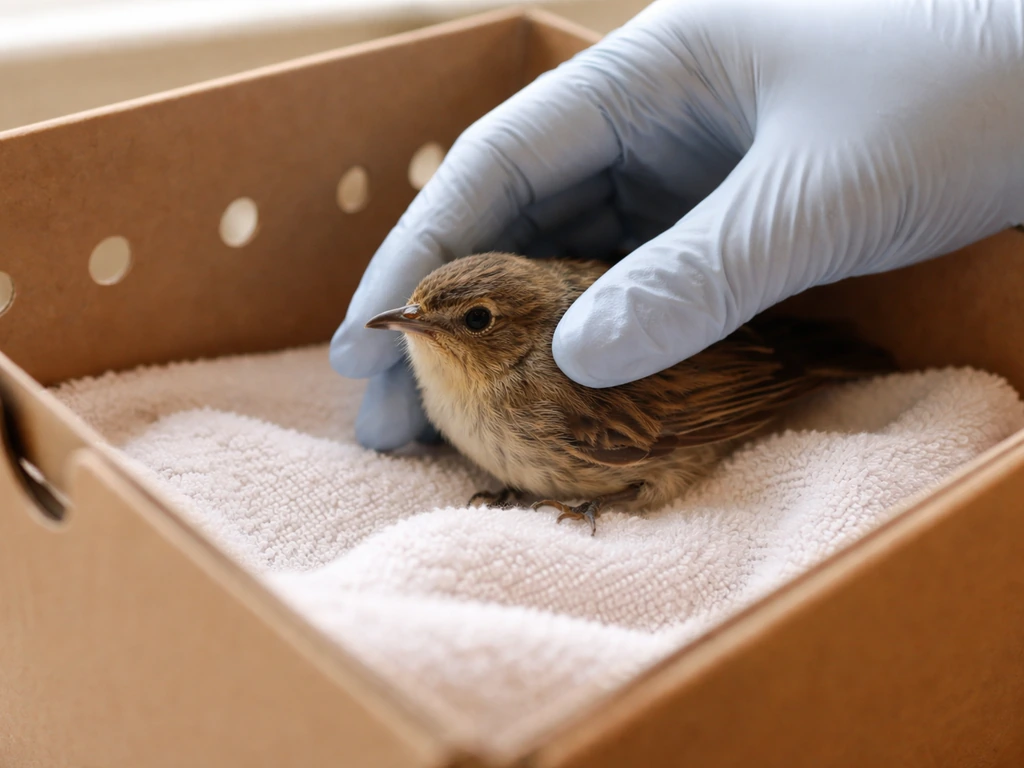
Keep handling to an absolute minimum. Every time you pick the bird up, its heart rate spikes and it burns energy it can't afford to lose. Handle it only to move it into the box, and then leave it alone.
If the bird is actively bleeding from a feather shaft (called a blood feather), you can apply styptic powder, cornstarch, or flour directly to the site to help slow the bleeding. Press gently for a moment. Do not try to pull the feather out yourself. Pulling a blood feather can make bleeding significantly worse by leaving an open shaft, and it should be done only by a vet or trained rehabilitator.
For surface wounds, don't apply antiseptics, hydrogen peroxide, or any ointments. These can be toxic to birds or make wounds harder to treat later. If there's visible debris in a wound, leave it alone. Gently wrapping a wing in a light bandage to keep it stable during transport is sometimes done, but only if you know the wing is broken and the bird is about to be moved. When in doubt, don't. The best first aid you can provide is containment, warmth, and quiet.
Feeding and hydration: what to give (and what to skip)
This is the part where well-meaning people accidentally cause the most harm. The guidance from Tufts Wildlife Clinic, Audubon, the American Bird Conservancy, and nearly every wildlife organization is consistent: do not feed an injured or orphaned wild bird, and do not offer water by hand or in a dish. Feeding an incorrect diet can injure or kill a bird. Giving water to an already weakened bird risks aspiration, which is when liquid enters the lungs and causes death. Even foods that seem natural and harmless, like worms or seeds, can be wrong for a particular species or life stage.
The only exception is if you are actively in contact with a wildlife rehabilitator who has assessed the situation and given you specific feeding instructions for a specific bird. In that case, follow their directions exactly and don't improvise.
| Life Stage | Food | Water |
|---|---|---|
| Nestling (no feathers or pin feathers only) | Do not feed without rehabilitator guidance | Do not offer water |
| Fledgling (some adult feathers, learning to fly) | Do not feed without rehabilitator guidance | Do not offer water |
| Injured adult wild bird | Do not feed without rehabilitator guidance | Do not offer water |
| Under direct rehabilitator instruction | Follow their specific instructions only | Follow their specific instructions only |
If you're caring for a bird over a longer period while waiting for a rehabilitator callback and you've been told to keep it warm, just maintain the warmth and keep monitoring. Don't let the urge to do something lead you to feed it. Patience and stillness are the right moves here.
Baby, fledgling, or injured adult: how to tell the difference
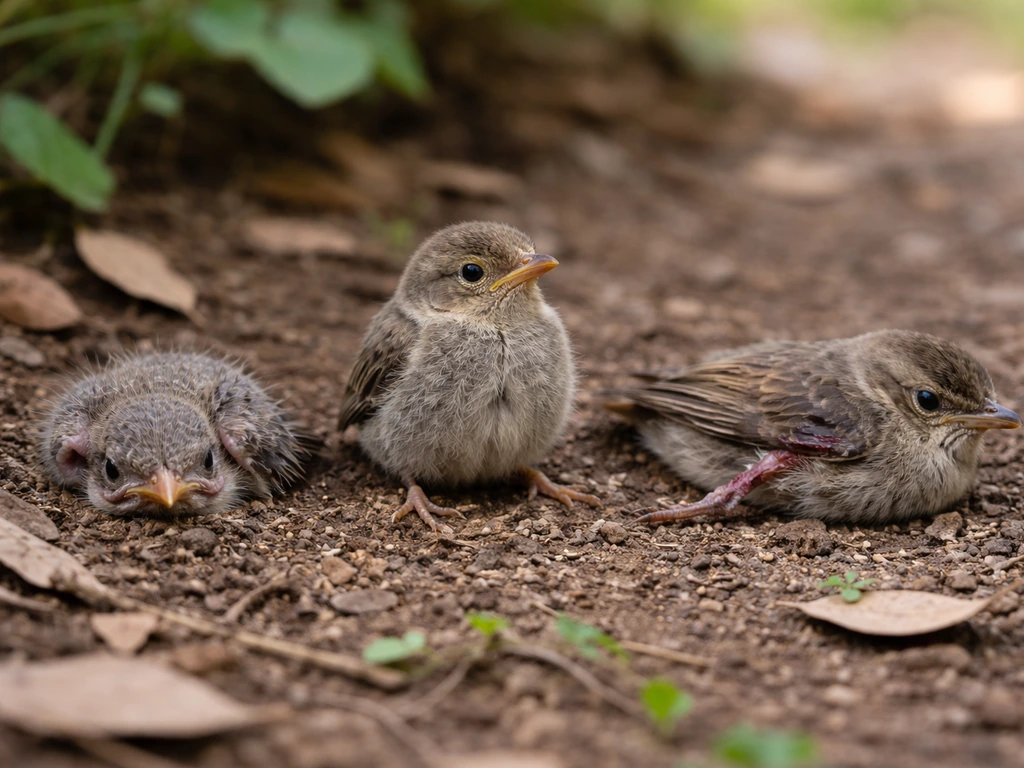
Getting this right changes everything. A lot of birds that look abandoned or in trouble are actually fine, and intervening does more harm than good.
Nestlings
A nestling has little to no feathers, or only pin feathers (small, spiky shafts just emerging from the skin). If you find one on the ground, it's almost certainly fallen from a nest nearby. Look for the nest in nearby shrubs or trees. If you find it and can reach it safely, you can gently place the bird back in the nest. The myth that parent birds abandon young because of human scent is false. If the nest is gone or destroyed, a licensed rehabilitator needs to step in.
Fledglings
A fledgling is the awkward teenager of the bird world. It has most of its feathers, hops around on the ground or in low shrubs, and may not fly well yet. This is completely normal. Fledglings are supposed to be on the ground. Their parents are almost always nearby, watching and still feeding them. The best thing you can do for a fledgling is leave it alone, bring your cats and dogs inside, and keep people and children away. Unless it's visibly injured, don't box it up. Keep an eye on it from a distance to confirm a parent is visiting. This stage of development looks like abandonment but isn't.
Injured adults
An adult bird with obvious injuries (bleeding, a wing drooping to the ground, unable to stand, unresponsive) needs containment and a call to a rehabilitator right away. An adult bird that's fully feathered and sitting quietly but not flying may have hit a window. Give it 30 to 60 minutes in a quiet, shaded spot to recover. If it hasn't flown off after that time, or if it's showing obvious distress signs like panting or falling over, it needs help. Similar situations come up with specific species like cardinals and robins, and the same core approach applies across the board. If the injured bird is a cardinal, care steps like keeping it warm and quiet and getting it to a wildlife rehabilitator quickly are especially important injured cardinal.
Signs you need a wildlife rehabilitator or avian vet right now
Some situations can't wait. Call a wildlife rehabilitator or avian vet immediately if you see any of these:
- Visible blood or an open wound that won't stop bleeding
- A broken wing or leg (bone visible, or limb hanging at an unnatural angle)
- The bird is cold, limp, or unresponsive
- Labored or rapid breathing lasting more than two hours
- The bird is lying on its side and can't right itself
- A cat or dog has had the bird in its mouth (even without visible injuries, bacteria from pet saliva can cause fatal infection within 24 to 48 hours)
- A nestling with no nest nearby and no parent activity after an hour of observation
- Any oily or matted feathers suggesting contamination
Don't wait to see if these things improve on their own. They usually don't, and time matters. Most injuries that look manageable at first become much harder to treat within hours.
Transport, monitoring, and what to do after stabilization
Once the bird is stable in its box, your priority is getting it to a licensed wildlife rehabilitator as quickly as possible. While you're arranging that, here's how to monitor without disturbing the bird: check the box every 30 to 45 minutes, listening for movement or breathing. Don't open it unless you need to check on something specific. Keep the heating pad warm and check the temperature of the box interior briefly.
To find a licensed wildlife rehabilitator near you, try these options:
- Search the National Wildlife Rehabilitators Association (NWRA) directory online
- Search the Wildlife Rehabilitators directory at the International Wildlife Rehabilitation Council (IWRC)
- Call your state's fish and wildlife agency, which can refer you to permitted rehabilitators in your area
- Contact a local avian vet or bird sanctuary for referrals
- Call your nearest nature center, zoo, or humane society — most have rehabilitation contacts
When you call, be ready to describe: the species if you know it (or your best guess), where you found it, when you found it, what condition it's in (breathing, posture, visible injuries, behavior), what you've done so far, and whether it's been near a cat or dog. The more specific you can be, the faster they can help.
During transport, keep the box in a warm spot in the car, away from air conditioning or heat vents. Keep the radio off or very low. Minimize conversation near the box. Stress during transport can cause a bird to go into shock even after it seemed stable, so calm and quiet conditions all the way to the destination matter.
After drop-off, the rehabilitator takes over. Your job is done, and you've given the bird the best possible chance. If you found a stray bird rather than a wild one, the care steps differ somewhat, and it's worth confirming whether the bird might be an escaped pet before contacting a wildlife rehabilitator. This guide can help you take care of a stray bird safely while you arrange professional help If you found a stray bird rather than a wild one. Similarly, if you're dealing with a specific species like a robin or cardinal, the same fundamentals apply, though each species has particular needs that a specialist will know best. Cardinals have their own needs, so learning how to take care of a cardinal bird helps you provide the right short-term support while you get professional help a robin or cardinal. If you are specifically dealing with a robin, focus on keeping it warm, quiet, and contained until you can reach a wildlife rehabilitator.
FAQ
How can I tell if a “baby bird” is actually a fledgling that just looks abandoned?
If it has most of its feathers, can hop, and is alert to its surroundings, it is usually a fledgling. In that case, do not box it unless it is injured. Keep pets and children away and watch from a distance to confirm a parent returns to feed it. If you can reach the bird’s position safely and there is visible distress (bleeding, labored breathing, unable to stand), then you should contact a wildlife rehabilitator.
Is it okay to give a bird water if it seems dehydrated?
No, not by hand and not in a dish for wild birds. Even when a bird looks thirsty, hand-feeding or offering water can cause aspiration, liquid entering the lungs, which can be fatal. Instead, focus on warmth, quiet, and getting professional help. Only follow feeding or hydration instructions from a rehabilitator who has assessed the bird.
What’s the safest way to capture the bird without stressing it too much?
Use containment rather than chasing. Place a cardboard box near the bird, then gently guide it into the box with a towel or by carefully positioning your hands at the side and rear. Minimize contact, avoid grabbing around the chest or wings, and close the box immediately after it is inside. If it is alert and hopping, that is often a sign you should avoid handling entirely.
Should I keep the heating pad on all the time?
Use the heating pad to create a warm side, not to heat the entire box evenly. Set it to low, keep a towel between the pad and the box, and check that the bird has an option to move away from the warmth. If you substitute with a warm water bottle, rewrap and rewarm as needed so the temperature stays steady rather than overheating or cooling off.
How do I check on the bird without opening the box too often?
Limit checks to about every 30 to 45 minutes as described, and when you do check, avoid long inspection and sudden light. Use gentle observation through the opening or by briefly looking in with dim light. Listen for breathing and any movement, and only open the box if something looks worse or you must adjust warmth or containment.
What should I do if the bird is breathing loudly or seems cold even after I box it?
Treat it as urgent. Make sure the box is in semi-dark, quiet conditions and that warmth is present on one side with the correct temperature gradient. If the bird’s breathing is labored or continues to worsen, or if it does not improve while you are getting help, contact a wildlife rehabilitator or avian vet immediately rather than waiting.
Can I use an antiseptic, ointment, or antibiotic cream on a wound?
Avoid antiseptics, hydrogen peroxide, and ointments for wild birds. These products can be toxic or can complicate later treatment. If there is debris visible in a wound, do not try to scrub it out. The safest first aid is containment, warmth, and keeping the bird stable for transport.
What if a feather is bleeding, or a blood feather won’t stop bleeding?
You can apply styptic powder, cornstarch, or flour directly to the bleeding site and press gently for a moment. Do not pull the feather out, since removing a blood feather can worsen bleeding by leaving an open shaft. If bleeding continues heavily or the bird looks weak, that is another reason to prioritize immediate professional care.
Is it illegal to keep a wild bird at home?
In the U.S., most wild birds are protected, and keeping them without the proper federal authorization can be illegal. The intent of home care is short-term stabilization only, until you can transfer the bird to a licensed wildlife rehabilitator. If you are unsure whether the bird is wild or might be an escaped pet, treat it as urgent and confirm the situation when you call.
Do I need to take a bird outside or can I keep it indoors until help arrives?
Keep it indoors in a semi-dark, quiet area away from pets, children, and household noise. Indoor conditions let you control temperature and reduce stress. Avoid direct drafts, hot windows, and strong household activity, since stress can push an already vulnerable bird into shock.
What’s different if I think the bird might be an escaped pet rather than wild?
If the bird is acting tame, has leg bands, or resembles a pet species, confirm that possibility before contacting a wildlife rehabilitator. Escaped pets often need a different type of care and may be able to go back to an owner or an appropriate rescue. Still, keep it warm and contained while you verify the correct next step.
How should I transport the bird if the car has air conditioning or heat vents?
Keep the box in a warm, draft-free spot in the car, and keep it away from heat vents and direct airflow. Turn the radio off or keep it very low, minimize conversation near the box, and avoid sudden temperature changes. Calm transport matters because some birds can deteriorate into shock after a period of stress.
Next Article
How to Take Care of a Cardinal Bird: First Aid Steps
Humane cardinal first aid checklist for injured or orphaned birds: assess, stabilize, house, feed safely, and when to ca