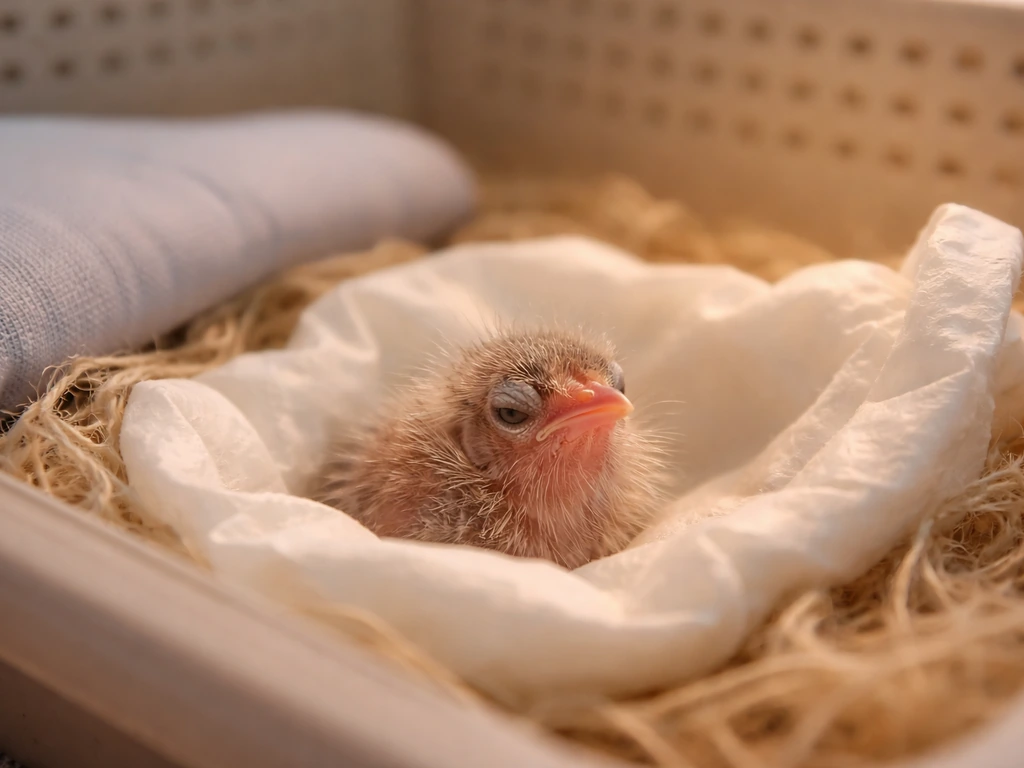
If you've found a bird egg that's cold, on the ground, or seemingly abandoned, the first thing to know is this: warmth matters, but acting too fast can cause just as much harm as doing nothing. The safest approach is to assess the egg carefully before you warm it, then use gentle, indirect heat while you work on getting professional help. Here's exactly how to do that.
How to Keep a Bird Egg Warm Safely Until Help Arrives
Marcus Holloway
11 Apr 2026
Assess the egg before you do anything else
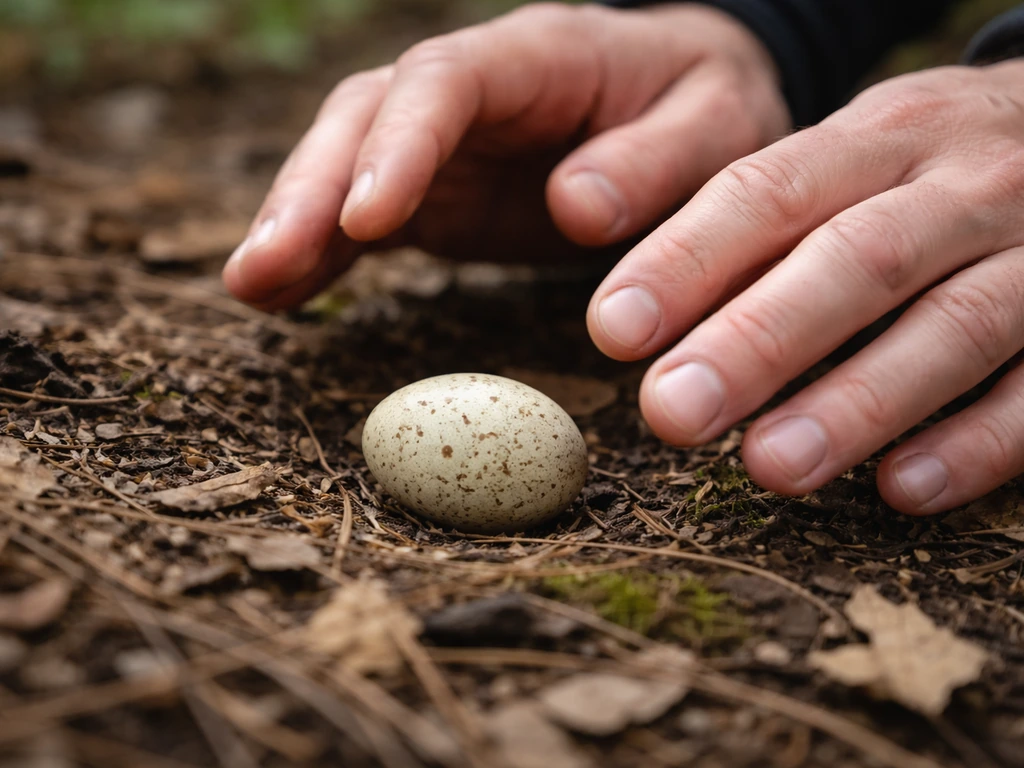
Before you touch the egg or set up any heat source, take a moment to look at the situation. Is there a nest nearby? Is the egg cracked, leaking, or visibly damaged? Has it been out of the nest for a few minutes, or has it been sitting in cold weather for hours?
A lot of people assume an egg on the ground has been abandoned, but that's not always true. Parent birds don't constantly sit on eggs every single minute, and they may have been startled away temporarily. If you can safely see the nest and the egg is intact, the best first step is to return it carefully, using clean hands or a cloth, and then back away and watch from a distance for 30 to 60 minutes to see if a parent returns.
If the egg is clearly cracked or leaking fluid, it is unlikely to survive and warming it won't help. Focus your energy on contacting a wildlife rehabilitator rather than attempting to incubate it yourself. If the egg is intact but cold to the touch and you genuinely cannot locate a nest, that's the scenario where careful interim warming becomes necessary.
One important legal note: in the U.S., most wild bird eggs are protected under federal law. You can provide emergency interim care while getting professional help, but permanently keeping a wild bird egg without a permit is not allowed. Knowing how to protect bird eggs in the short term is the goal here, not long-term ownership.
Setting up a safe warm environment
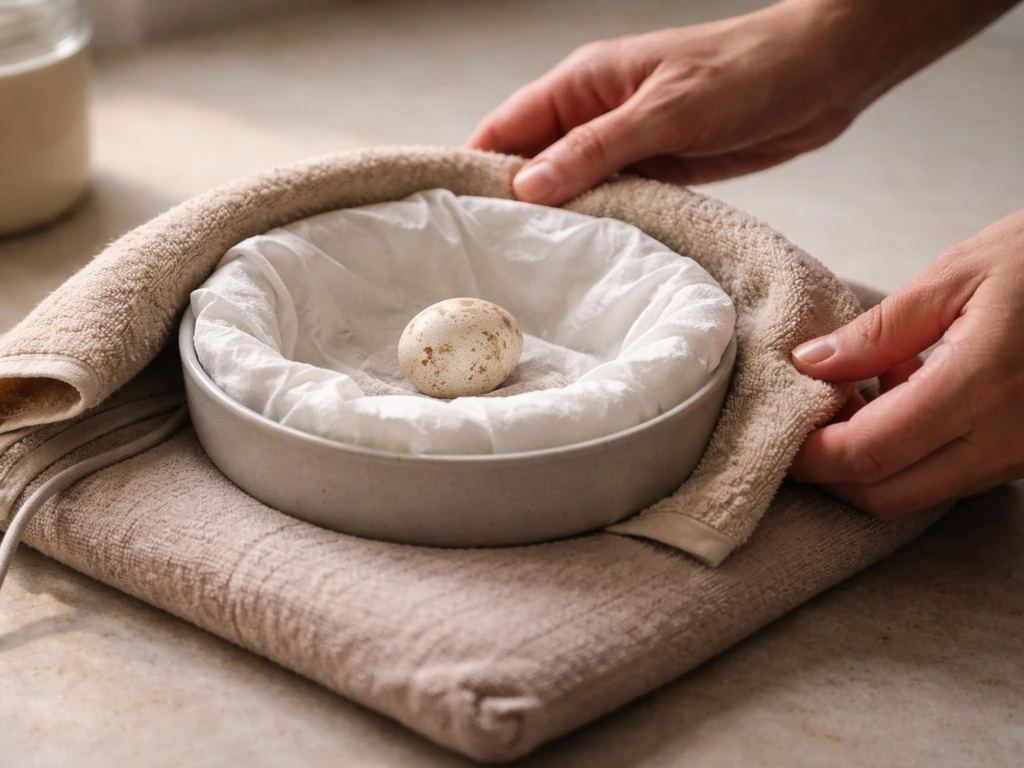
The setup for keeping a bird egg warm is simple, but the details matter. You need a small box or container (a shoebox works well), soft nesting material like torn paper towels or a folded cloth, and a low heat source placed outside the container, not inside it.
Place the egg gently in the center of the nesting material, with the material loosely cupped around it to mimic how it would sit in a nest. Do not seal the box. The egg needs some airflow, and you need to be able to check it periodically.
The key principle for the heat source is indirect warmth. Place a heating pad set to LOW underneath half of the box, not the whole bottom, so one side of the interior is warmer and the other is cooler. This gives the egg a temperature gradient rather than uniform heat blasting from below. If the egg were a chick, it could move to the cooler side if it got too hot. For an egg, it means you're less likely to accidentally overheat the embryo if your heat source is running slightly warm.
Place one or two layers of cloth or a folded towel between the heating pad and the bottom of the box. This buffers the heat and prevents the container floor from getting too hot. Experts consistently caution against placing a heating pad directly inside the container or placing the egg directly on the heating pad itself.
Humane heat sources you can actually use
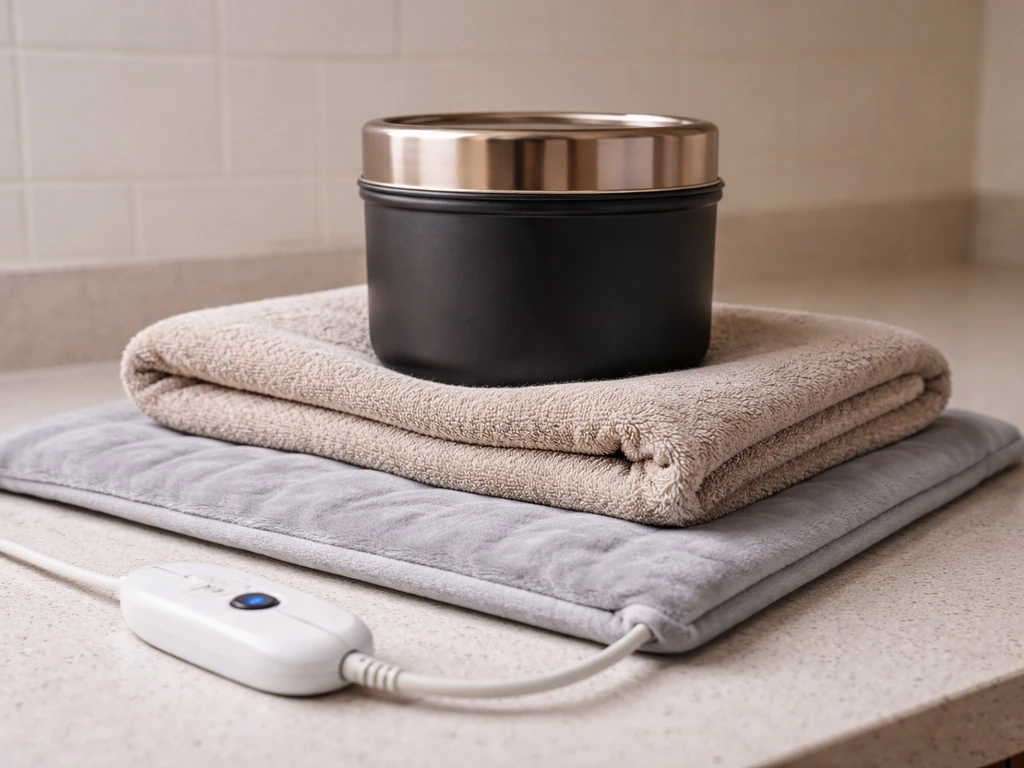
A heating pad set to LOW is the gold standard for interim egg warming. It provides steady, consistent heat without the spikes you get from improvised methods. If you have one, use it.
If you don't have a heating pad, a rice sock works reasonably well as a short-term substitute. Fill a clean sock about two-thirds full with dry rice, tie it off, and microwave it for 30 seconds. Check that it's warm but not hot before placing it near (not directly against) the egg. A rice sock cools down over time, so you'll need to reheat it every 20 to 30 minutes. A hot water bottle wrapped in a cloth is another option for transport.
What you should not use: heat lamps pointed directly at the egg, a microwave to warm the egg itself, a regular oven, or hand warmers placed inside the container. These heat sources are either too intense, too uneven, or difficult to control. The goal is stable, gentle warmth, not fast warming.
Blankets alone are not enough. Wrapping an egg in a towel will slow heat loss but won't generate enough warmth if the egg is already cold. You need an active heat source combined with insulation.
What temperature to aim for and how to tell if it's working
For reference, professional aviculturists incubating bird eggs typically target around 37.5°C (99.5°F) inside a controlled incubator, with humidity around 55%. The eggshell surface runs about 1 to 1.5°C higher than the surrounding air temperature due to metabolic heat from a developing embryo, which means the ambient temperature in your makeshift setup should be slightly below that target.
In practice, you're not going to hit these numbers exactly with a heating pad and a shoebox. What you're aiming for is a warm, stable environment that feels comfortably warm to the back of your hand when you hold it near the egg, not hot. If the box interior feels uncomfortably warm to you, it's too warm for the egg.
Handle the egg as little as possible. Every time you pick it up, you're cooling it down and stressing the embryo. Check on it visually every 20 to 30 minutes, but resist the urge to constantly pick it up and examine it.
Keep the box in a quiet indoor space away from pets, children, and direct sunlight. A warm room at normal household temperature (around 70°F / 21°C) is ideal as the ambient base, with the heating pad providing the additional warmth.
If the egg has been cold for a long time
This is the hardest part of the conversation, but you deserve honest information. If a bird egg has been sitting in cold or freezing temperatures for several hours, the embryo may not be viable, regardless of what you do next. Embryo development stops at low temperatures, and extended cold can cause irreversible cell damage.
That said, "cold for a long time" is relative. An egg that's been out on a 50°F (10°C) day for two hours is in a very different situation than one that's been sitting in below-freezing temperatures overnight. Don't give up on an egg just because it feels cold; gently warming it using the setup described above and getting it to a rehabilitator quickly is always worth trying.
Signs that an egg is very unlikely to survive include: a cracked or punctured shell with fluid leaking out, a strong unpleasant smell, or an egg that's been partially submerged in water or exposed to freezing temperatures for many hours. In those cases, the most humane step is to contact a wildlife rehabilitator or vet for guidance rather than continuing to warm it.
If you're uncertain and want to learn more about how to evaluate whether an egg is still viable, reading about how to preserve bird eggs can give you useful context about egg integrity and what affects an egg's condition over time.
When to stop the DIY approach and call for help
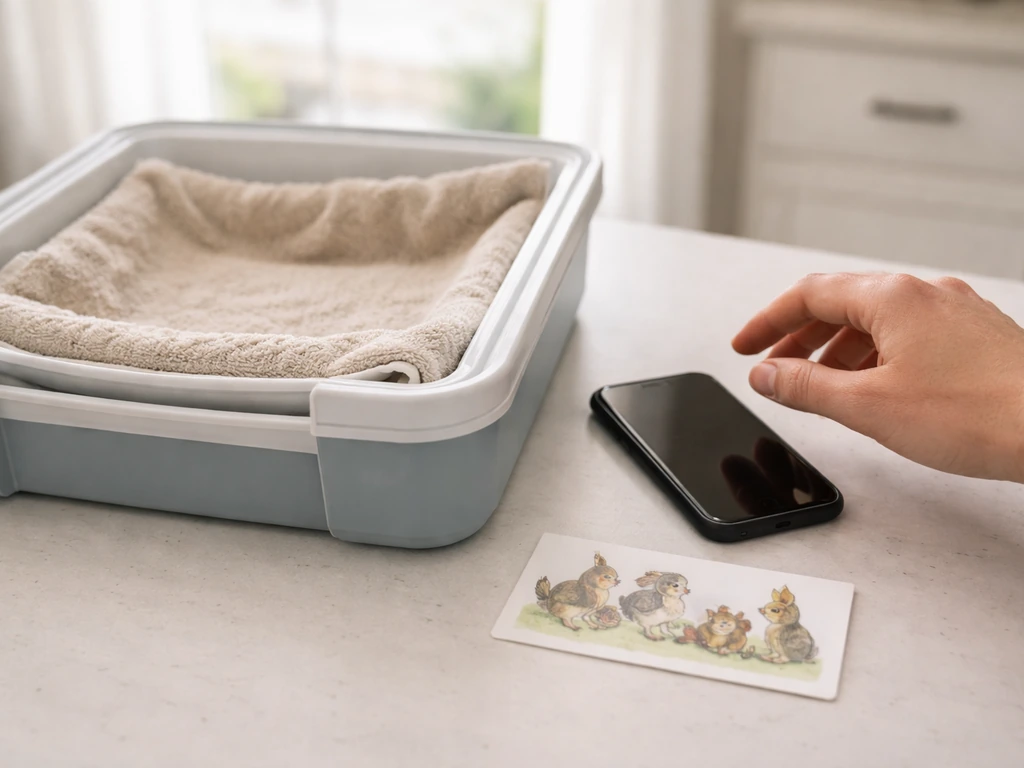
Interim warming is exactly that: interim. It's a bridge to professional care, not a substitute for it. You should be contacting a licensed wildlife rehabilitator or wildlife vet at the same time you're setting up your warming station, not after.
When you call, be ready to tell them the following:
- Where you found the egg (your city or county, and the specific outdoor location such as a park, backyard, or roadside)
- What species you think it might be, if you can tell (size, color, markings on the shell)
- What condition the egg is in (intact, cracked, cold, wet)
- How long ago you found it and what the weather conditions were
- What warming steps you've already taken and what heat source you used
- Whether you found or returned it to a nest, or if no nest was visible
This information helps the rehabilitator triage quickly and give you accurate next steps. The International Wildlife Rehabilitation Council recommends contacting the nearest wildlife rehabilitator for any wild bird in distress, and if you're not sure whether intervention is warranted, they can help you assess that too.
To find a rehabilitator near you in the U.S., contact your state fish and wildlife agency or search the National Wildlife Rehabilitators Association directory. Your local Humane Society or animal control office can also usually connect you quickly.
One thing to keep in mind as you navigate this: the broader context of how to protect bird populations in your area often comes down to these small individual moments. Getting an egg into the hands of a qualified rehabilitator quickly really does make a difference.
Quick reference: warming setup at a glance
| Heat Source | How to Use It | Key Caution |
|---|---|---|
| Heating pad (LOW setting) | Place under half the box with cloth layers between pad and box | Never put the pad inside the box or the egg on the pad directly |
| Rice sock (DIY) | Microwave 30 seconds, place near but not against the egg | Reheat every 20 to 30 minutes; check warmth before each use |
| Hot water bottle | Wrap in cloth, place near egg in box | Best for transport; check temperature regularly |
| Blankets or towels alone | Use only as insulation around the box, not as a heat source | Not sufficient on their own to warm a cold egg |
| Heat lamp or direct sunlight | Do not use | Too intense and uneven; risks overheating embryo |
If you're dealing with a wild bird egg and want to go further into what happens to an eggshell after the fact, whether for preservation or to understand what you're looking at, the guidance on how to preserve a bird egg shell covers the structural details of egg integrity in a useful way.
The bottom line: assess before you act, use low indirect heat, handle the egg as little as possible, and get a wildlife rehabilitator on the phone as quickly as you can. That combination gives the egg the best realistic chance of survival.
FAQ
What should I do if I notice the egg is leaking or has a tiny crack?
If the egg is cracked or leaking, warming is unlikely to help, and you should prioritize a wildlife rehabilitator immediately. If you see fluid, punctures, or the contents stuck to the shell, treat it as non-viable and do not continue interim incubation.
Can I keep a wild bird egg warm at home until it hatches?
No. You should never incubate a wild bird egg long term. If warming is necessary as a bridge, you still need to contact a licensed wildlife rehabilitator right away, because many species have specific care needs and permits may be required.
How do I know the heat is the right temperature without a thermometer?
Use a warm-to-the-touch check. If the box interior feels uncomfortably warm to you, it is too hot for the embryo. The goal is gentle warmth, comfortably warm when you hold your hand near the egg, and stable temperatures without hot spots.
Is it okay to put the egg directly on a heating pad or inside the warming box?
Use indirect low heat only, not direct heat. Avoid placing the egg on top of the heating pad or putting any heat source inside the container, because it increases the risk of overheating at the contact point.
If I don’t have a heating pad, will wrapping the egg in a towel keep it warm enough?
A towel wrap alone is not enough once an egg has already become cold, because it only reduces heat loss. Interim warming should combine insulation with an active, low heat source positioned outside the egg.
Should I seal the shoebox or keep it uncovered while warming the egg?
Do not seal the container airtight. Leaving the box unsealed and checking periodically helps prevent overheating and allows some air exchange, which is important during short interim warming.
How often should I check the egg, and should I rotate it?
Minimize handling time. Visually check through the opening every 20 to 30 minutes, but avoid repeatedly picking it up or rotating it. Each lift cools the egg and adds stress.
How does time in the cold change the chances, even if I warm it quickly?
Yes, cold exposure time matters more than how cold it feels alone. An egg on a 50°F (10°C) day for two hours is different from overnight freezing. If it has been near-freezing for many hours, survival odds drop even with perfect warming.
What should I do if the egg got wet or was in a puddle or snow?
If the egg was submerged, partially submerged, or exposed to freezing conditions for a long time, it is more humane to stop interim warming and get guidance from a rehabilitator. Water and freezing can cause internal damage and spoilage.
What’s the best approach if I can’t find the nest but still see the egg is intact?
If you cannot locate a nest, you can still do interim warming as a bridge, but you should contact a rehabilitator immediately and not delay. If you can see the nest and the egg is intact, return it and watch for parent activity for 30 to 60 minutes first.
Is it okay to place the warming setup by a sunny window?
You can keep the egg in a quiet indoor area away from pets, children, and direct sunlight. Sun can create unpredictable heat spikes that are harder to control than low heat from a pad.
What details should I tell a wildlife rehabilitator when I call?
The moment you call, give the rehabilitator specifics like how long the egg has been out, the local temperature conditions, whether the shell is intact, and whether there was any leaking or puncture. This helps them triage urgency and advise next steps.
Next Article
How to Raise a Newborn Bird: Nestling vs Fledgling Care
Learn nestling vs fledgling care, feeding, warmth, first aid, what to avoid, and when to contact rehab.